From Central Europe to the Baltic: Our Six-Week Family Trip
In my previous post, I wrote about our experiment with combining full-time remote work and family travel. It was our first long trip where I continued working throughout most of the journey, and the experience was far more difficult than I had expected.
But work was only one side of the trip. Over six weeks, we traveled through eight cities in six countries, beginning in Berlin and gradually making our way north to Stockholm. Along the way, we encountered cities rebuilt in completely different ways after World War II, medieval old towns, beautiful Baroque interiors, excellent museums, and some of the most interesting architecture I have seen in Europe.
This was also a family trip. While I spent much of the week working, my wife and son explored on their own, and I joined them during some mornings, weekends, and the days I managed to take off. Our five-year-old brought his own priorities to the journey, which mostly involved animals, natural history museums, playgrounds, and finding enough people willing to listen to his stories.
Looking back, the cities were connected by several themes. World War II and its aftermath followed us from Germany through Poland and into Finland. Architecture changed from the modern face of Berlin to reconstructed Dresden, medieval Tallinn, and the strong design culture of Helsinki.
This post is about that side of the journey: the cities, the history, the family experiences, and the memories we brought home.
Our Route Across Europe
We flew from Seattle to Berlin and then traveled by train through Dresden, Prague, Wrocław, and Kraków. From Kraków, we flew to Tallinn, took a ferry to Helsinki, and finally boarded an overnight ferry to Stockholm.
Berlin → Dresden → Prague → Wrocław → Kraków → Tallinn → Helsinki → Stockholm
The route took us gradually from Central Europe into the Baltic and Nordic countries. Most stops lasted close to a week, giving my wife and son time to explore and giving me at least a weekend in most cities. I covered the practical side of the itinerary, including the trains, ferries, and working schedule, in the previous post. Here, I will focus on what stood out in each destination.
Berlin: A City Rebuilt Forward
Berlin was the beginning of the journey and also the city I saw the least. We stayed for six nights, but I was still struggling with jet lag and had begun working immediately after arriving. My wife took our son to the Berlin Zoo and different play areas during the week, while I had only about a day and a half to explore with them.
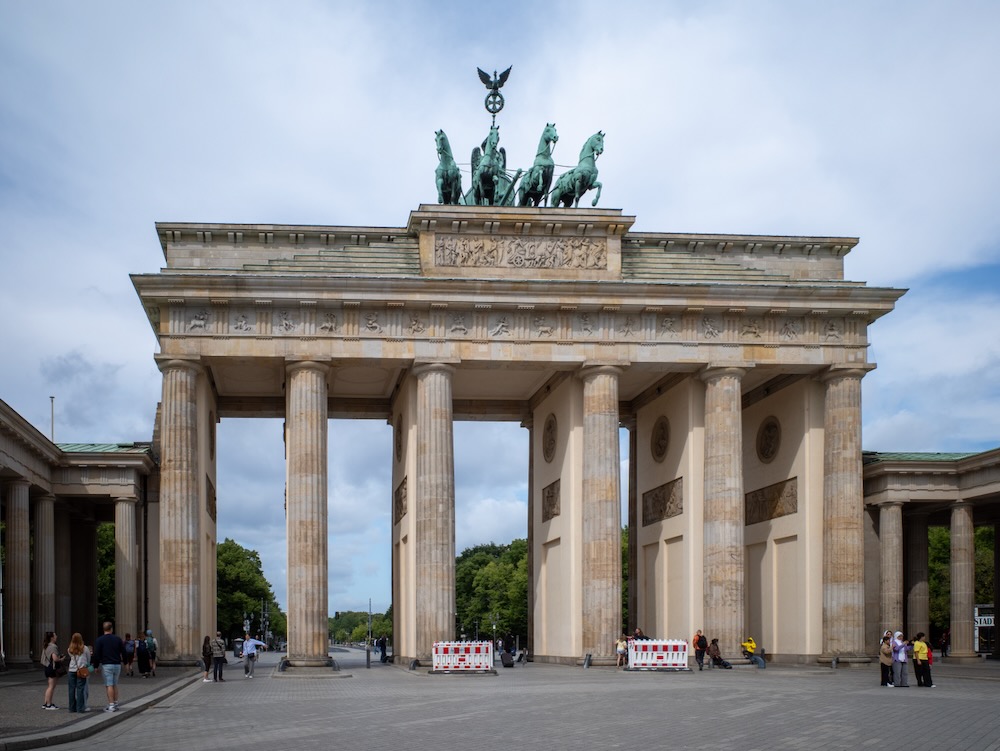
On Sunday, we visited some of the typical central sights, although we did not have enough time to see the city properly. What interested me most was Berlin’s relationship with World War II. In a way, we started our journey through that history where the war in Europe ended.
Berlin was the capital of Nazi Germany and the scene of its final collapse. After years of bombing, the Soviet assault in April and May 1945 brought devastating street fighting to the city. Hitler died in his bunker (which was destroyed after the war, but we visited the area, which is nowadays a residential neighborhood), Berlin surrendered, and Germany’s final instrument of surrender was signed in May 8. The war continued elsewhere in the world, but in Europe it was over. The surrender in Berlin marked the end of a catastrophe whose traces we would keep encountering throughout this trip.
From Berlin, that story would lead us to Dresden’s destruction, the displaced populations of Wrocław, the occupation and ghetto in Kraków, and Finland’s resistance to the Soviet invasion. These were different parts of the same war, and visiting the cities made their connections much more tangible.
The destruction also helped explain why Berlin looked so different from the European cities we usually imagine. We associate those cities with old squares, ornate façades, churches, and a fairly continuous historic center. Much of the Berlin I saw felt newer and more modern, with less of that familiar architecture. In that sense, it did not feel very typically European to me. That is an impression from a short visit, of course; Berlin has historic buildings too, but they did not define my experience of the city.
We also visited the Neues Museum to see the bust of Nefertiti. After our trip to Egypt, we had wanted to see this beautiful ancient sculpture up close, and we finally did. It was a connection to an entirely different period of history, and to our own earlier travels.
Dresden: Rebuilding What Was Lost
We had a very pleasant train ride from Berlin to Dresden. We had reserved seats, which were necessary for this journey and made traveling together much easier. On arrival, we checked into Bülow Palais, a beautiful five-star hotel that cost us only $135 per night! One of the advantages of visiting off-the-beaten-path destinations is affordability.
Dresden had been the capital of Saxony and a wealthy center long before World War II. The city contained beautiful churches, courtyards, palaces, and public buildings that reflected that history. I was surprised by how grand it was for a relatively small city. We had a full weekend there, and because the historic center was compact, I was able to explore much more than I had in Berlin.
Much of that historic center was destroyed in the Allied bombing of February 1945. I already associated Dresden with the firebombing, partly through Kurt Vonnegut’s Slaughterhouse-Five, but being there made me want to learn more. I visited the Dresden City Museum, which covered the city’s development from the Middle Ages through industrialization and the war.
I was disappointed that the bombing itself occupied a relatively small part of the museum. There were photographs of the aftermath and information about the destruction, but I had expected it to receive more attention. The raids killed approximately 25,000 people and destroyed much of the center. In the days that followed, thousands of recovered bodies were cremated in the Altmarkt because there was no practical way to bury them all. This was done with the help of the POWs like Kurt Vonnegut, so imagine the long-term impact of such experience.
Walking through that square while knowing what had happened there was unsettling. Today it is once again a central public space, surrounded by everyday city life, but the history beneath it is difficult to forget.
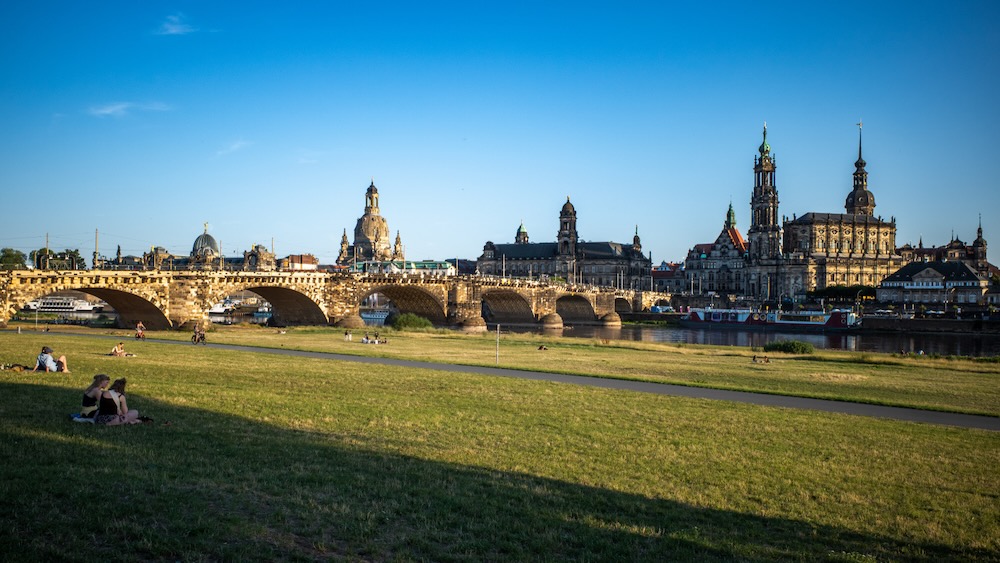
There is still debate about the military value and morality of the bombing, including whether it was necessary so late in the war. Against that background, the effort to rebuild the historic city was extraordinary. Much of the center was recreated in the image of what had existed before the war. Buildings, squares, and churches that looked centuries old had sometimes been reconstructed only within the past few decades.
The most famous example is the Frauenkirche. The church collapsed after the bombing and remained a ruin during the East German period. Its reconstruction began after German reunification, and the restored church opened in 2005. Seeing it at the center of the rebuilt old city made the contrast with Berlin particularly striking.
Dresden was beautiful, historically fascinating, and one of the biggest surprises of our trip. I was very glad we had stopped there for four nights.
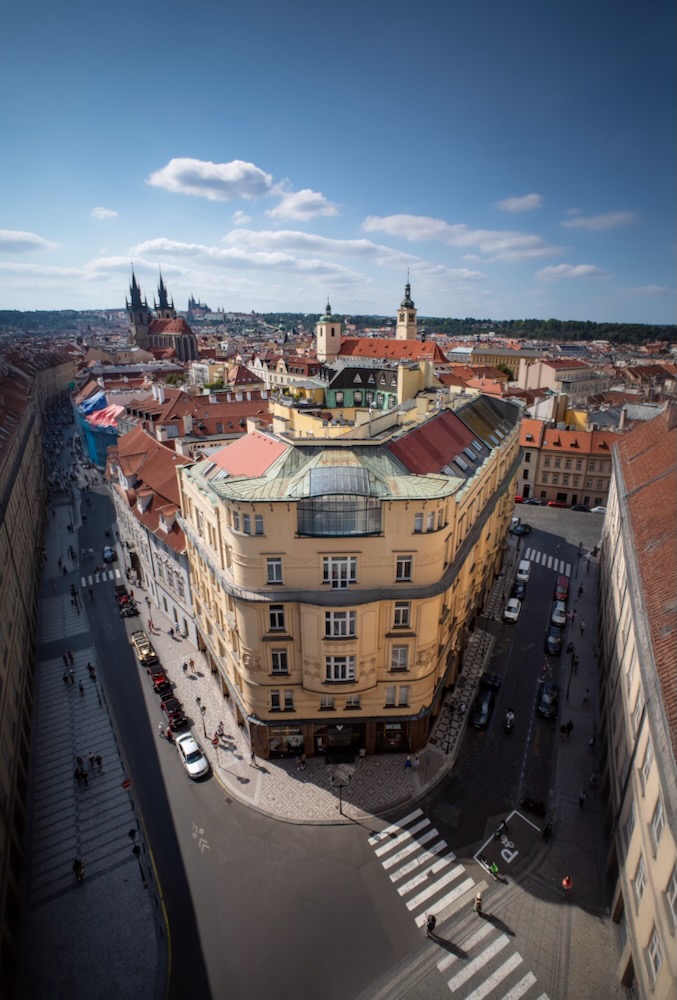
Prague: Extraordinary Beauty at the Wrong Time of Year
Prague is without a doubt one of the most beautiful cities I have visited. The architecture, the layout of the city, and the concentration of historic buildings are remarkable. Old Town Square, the Astronomical Clock, and Charles Bridge are famous for good reason.
Unfortunately, we were there during the peak summer season. Charles Bridge was packed with people at almost every hour, and the temperature reached around 95 or 96 degrees Fahrenheit on some days. Our hotel had air conditioning, but walking outside in the middle of the day could be exhausting. Prague was still beautiful, but the combination of heat and crowds made it clear that the city would be much more enjoyable during the shoulder season.
One of the highlights was the National Museum. The Neo-Renaissance historical building sits at the top of Wenceslas Square, and its interior was among the most beautiful museum interiors I have seen. I visited the historical exhibitions on my own and enjoyed learning more about Prague, the Czech lands, and their place within Europe.
The natural-history galleries were an even bigger success for our son. They included taxidermied animals, extensive displays about evolution, and the museum’s famous 22.5-meter fin-whale skeleton suspended above one of the galleries. He loved the museum, and it was one of those rare places that worked equally well for his interests and mine.
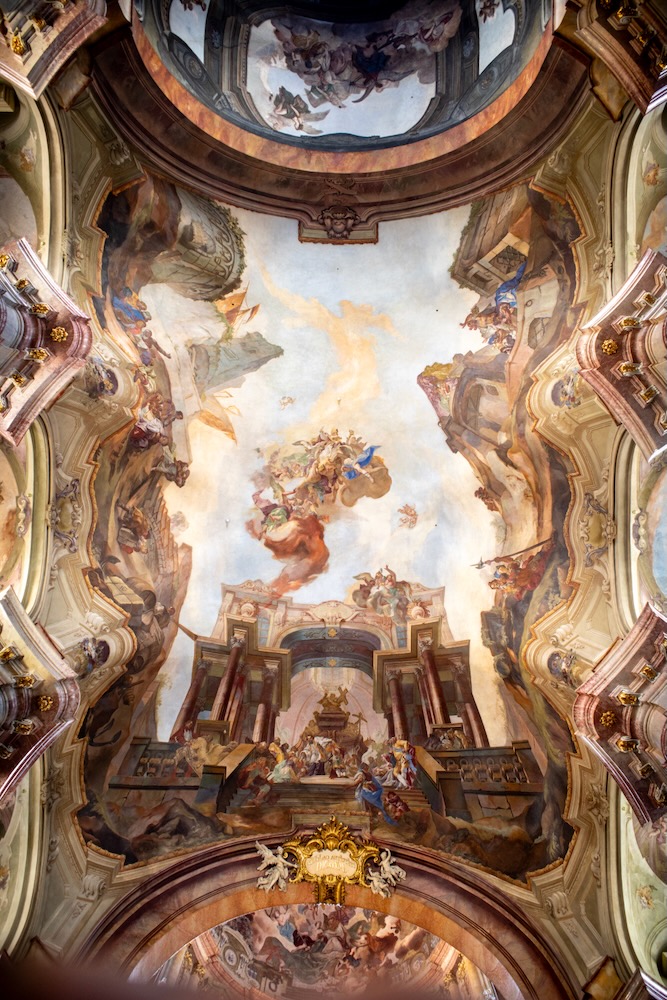
Another place that stood out was St. Nicholas Church in Malá Strana—not the church of the same name on the other side of the river in Old Town Square. There were hardly any visitors inside when I went. Its Baroque interior was one of the most beautiful I have ever seen in Europe-and I’ve seen 100+ churches at least. The enormous ceiling fresco used perspective and painted architecture to create the illusion that the building opened upward into heaven.
I spent most weekdays working at the hotel and explored mainly over the weekend and during a couple of mornings, so my experience of Prague was incomplete. Even so, it is a city I would strongly recommend—just preferably outside July and August.
Wrocław: Between Breslau and Modern Poland
We took the train from Prague to Wrocław, a journey of around four hours that ended up being delayed by approximately an hour. Wrocław was our first stop in Poland and introduced one of the most fascinating historical stories of the trip.
Before World War II, the city was known as Breslau and was part of Germany. After the war, Poland’s borders shifted dramatically westward. The Soviet Union annexed much of Poland’s former eastern territory, while former German territory in the west became part of Poland. Germans were forced out of cities such as Breslau, and many Poles displaced from the east were resettled there.
We often imagine a war ending on the day the fighting stops, but the consequences did not end in 1945. Millions of people were uprooted and sent to places they had never considered home. Imagining people being forced from their hometowns and told to call another city home was both sad and difficult to comprehend.
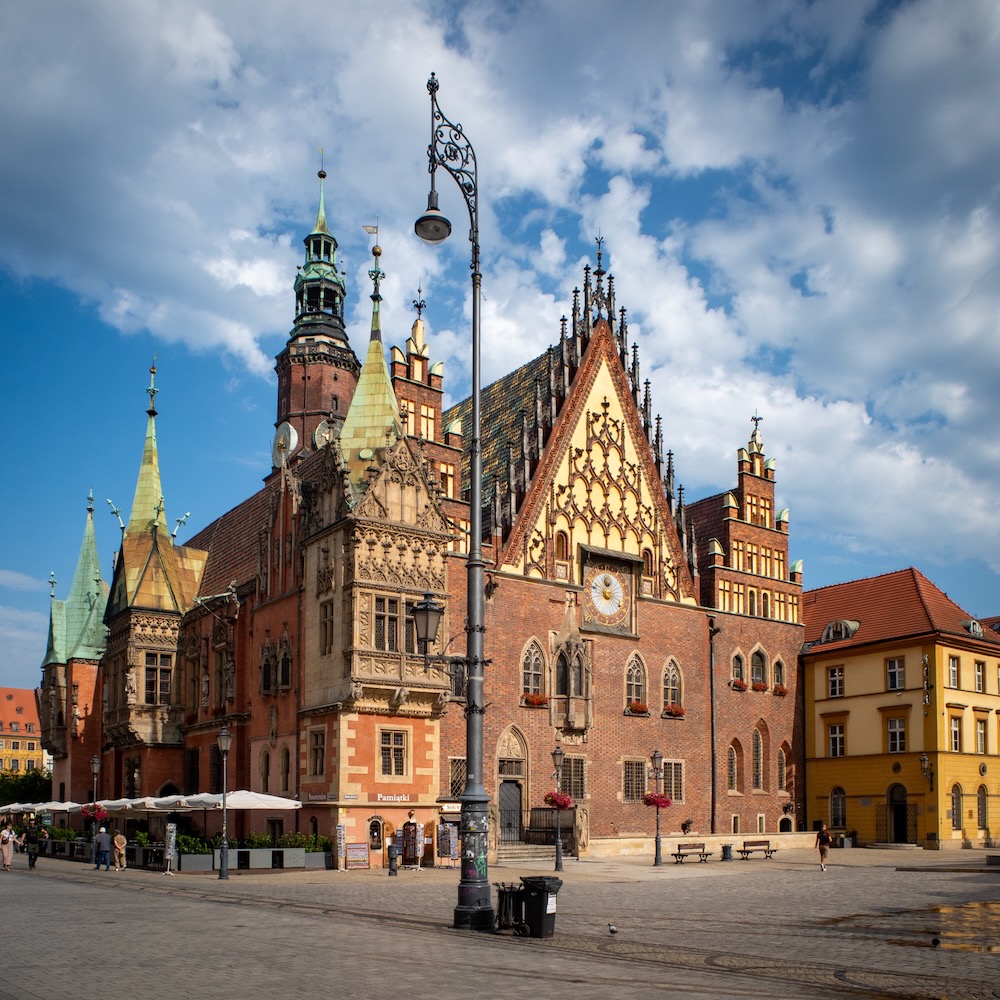
The city itself reflected those layers of history. Its architecture carried obvious German connections, but it had also been rebuilt and reinterpreted as a Polish city. The Market Square is among the larger market squares in Europe and was one of the prettiest we saw during the trip-arguably more beautiful that the more famous one in Krakow. Beautiful historic buildings surround it, each adding something different to the view. In the middle stands the old Gothic Town Hall, whose elaborate architecture makes it a highlight even among so many striking buildings.
During the weekend, a “cheese, beer, and wine festival” took place right inside this square. We really enjoyed it, and the setting was a large part of the appeal: the festival was surrounded by the beautiful façades, with the old Town Hall in the middle of it all.
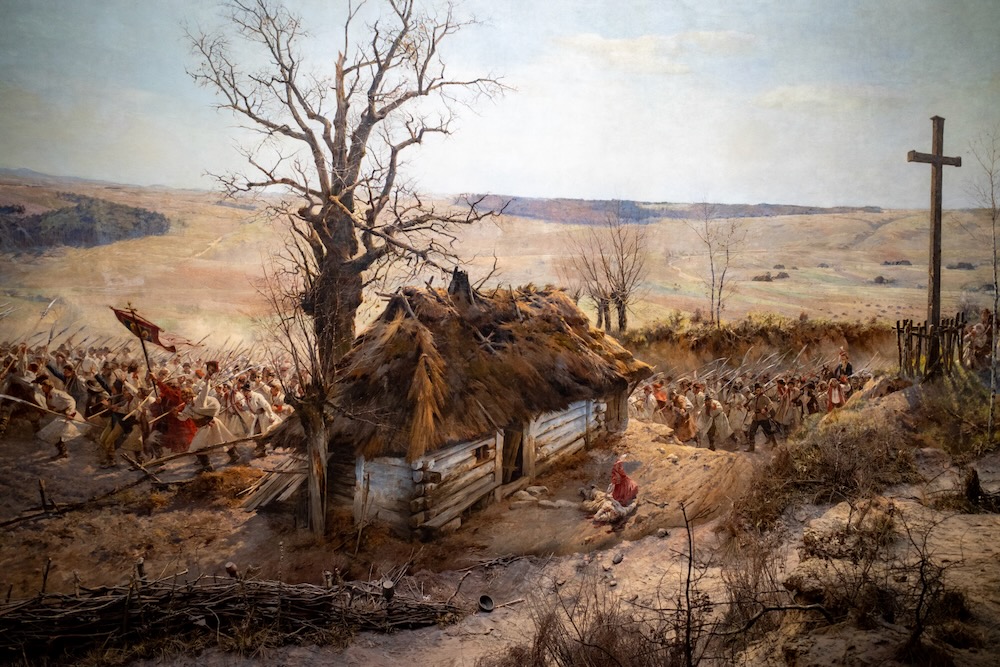
I also really liked visiting Racławice Panorama, which is a massive 360-degree cyclorama built between 1893 and 1894 as 19th-century mass entertainment—before movies or television existed—to give crowds a thrilling, immersive window into history. Standing in the rotunda, the illusion is breathtaking thanks to an ingenious 3D foreground of real soil and props that blurs the line between physical space and the 114-meter canvas, enhanced by perspective that makes painted figures look true to life. As the synchronized audio commentary guided us through Tadeusz Kościuszko’s victory over Russian forces. Knowing this monument to Polish resilience was hidden away during the communist era makes it a deeply moving testament to Poland’s enduring fight for freedom.
Another highlight was the Wroclaw University Museum. Its Aula Leopoldina, built in the eighteenth century, is an extraordinary late-Baroque ceremonial hall where painting, sculpture, and architecture cover nearly every surface. It was smaller than the grand church interior I had seen in Prague, but I found it remarkable that a university had such an elaborate space.
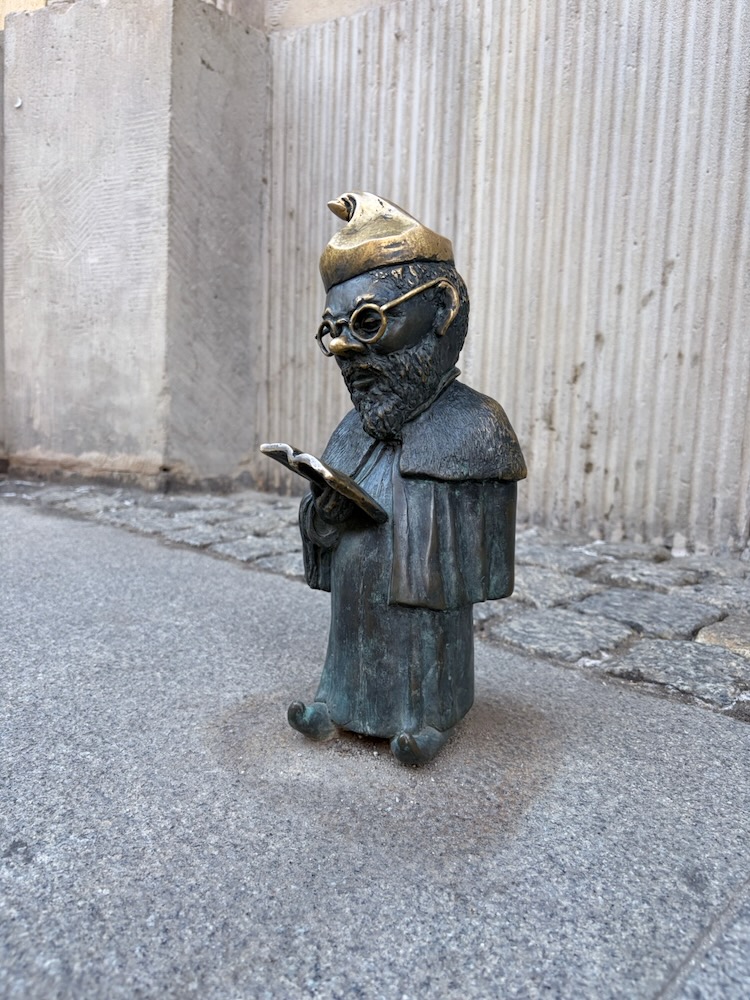
One cool thing about Wroclaw is that it is peppered with hundreds of small bronze gnomes hidden all over the city streets, bridges, and alleyways. Hunting for these quirky little statues, which are uniquely designed for their locations (like a baker gnome outside a bakery or a the professor gnome in front of the university), turned exploring the city into a scavenger hunt for my son!
Poland in general surprised me. People were friendly and often switched to English immediately, even when they spoke only a little (unlike some other notable European countries!). We also enjoyed the food, particularly the pierogi and the soups. Wrocław helped make Poland one of the unexpected highlights of the trip.
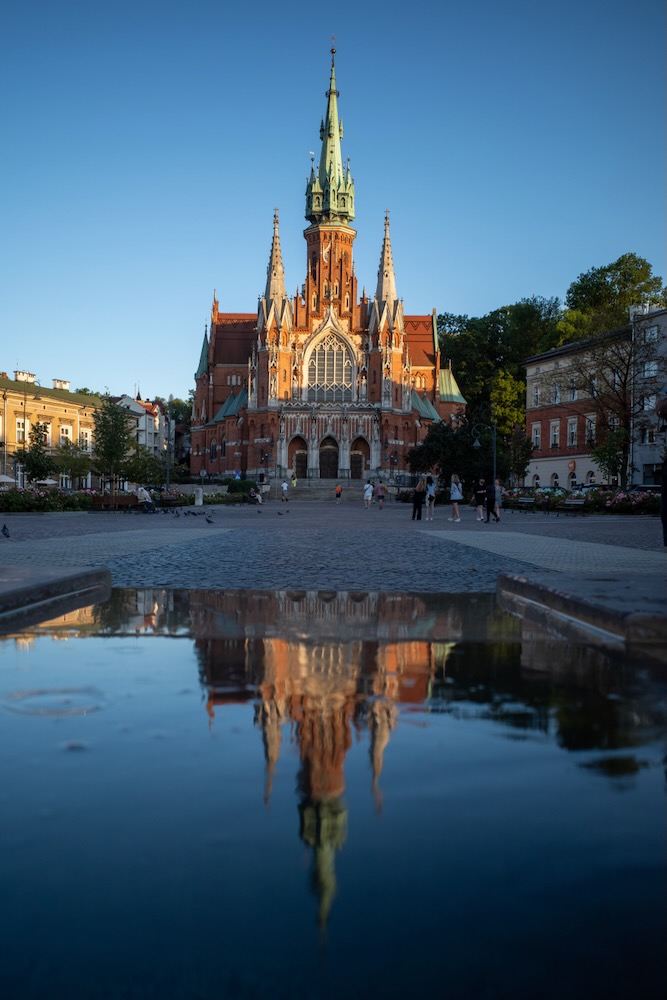
Kraków: History and Time Together
The train from Wrocław to Kraków was on time, comfortable, and had good Wi-Fi. More importantly, Kraków was where the rhythm of the trip changed. We stayed in an Airbnb with my cousin and his wife, who came all the way from Germany to spend time with us, and I took almost the entire stay off, apart from one day of work at the end.
For the first time since arriving in Europe, the trip felt much closer to a normal family vacation. We walked around the city together, spent time in the Market Square, ate Polish food, and enjoyed the festivals taking place in the center. Our son loved having my cousin and his wife around, particularly because they gave him two more people with whom to share his endless animal stories.
Like several earlier stops, Kraków had a powerful connection to World War II. Nazi Germany occupied the city in September 1939 and attempted to reshape it as a German city. Kraków’s Jewish population was forced into a ghetto, which was later liquidated, with many residents murdered or sent to concentration and extermination camps. I had not known before visiting that Roman Polanski had lived in the Kraków Ghetto as a child and escaped during its liquidation.
We visited Oskar Schindler’s former enamel factory, which now houses the Museum of Kraków’s permanent exhibition about life in the city under German occupation. The exhibition provided a great deal of history about Kraków, the occupation, and the ghetto. At the same time, I found it somewhat underwhelming as a museum about Schindler himself. There were photographs, documents, and historical objects, but less about his personal story and the factory than I had expected from the name.
Auschwitz is close enough to Kraków to be a common day trip, but we did not visit. We did not consider it an appropriate place to take a five-year-old.
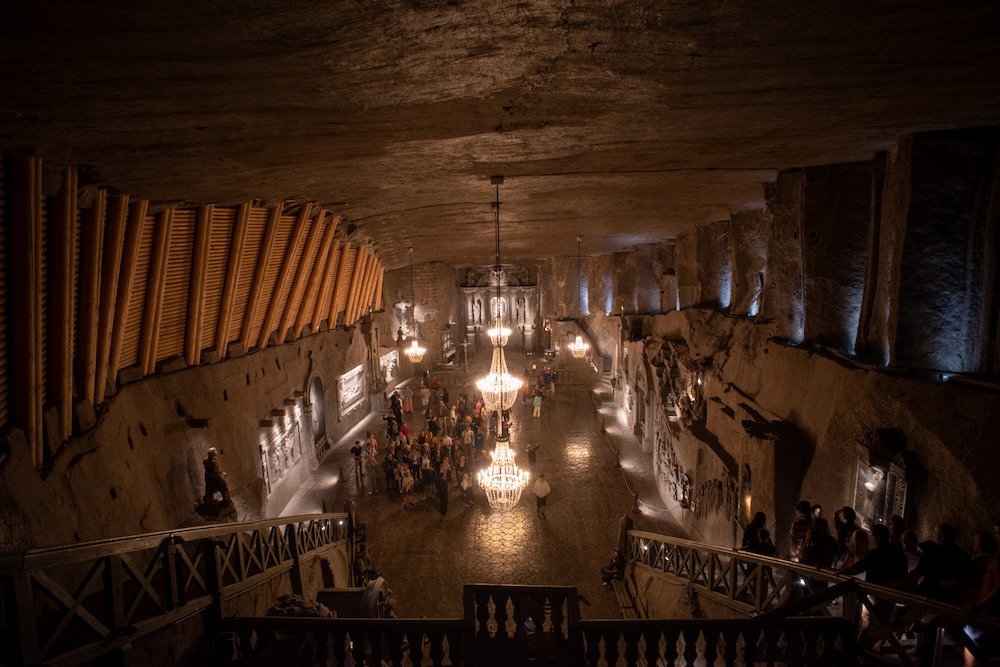
Instead, one of our major excursions was the Wieliczka Salt Mine outside the city. We descended roughly 130 meters underground, into a network of tunnels and enormous chambers carved out through centuries of salt extraction. Some spaces rose dozens of meters above us. The mine began operating in the Middle Ages and became an important source of wealth for the region. Walking through those vast underground rooms made the scale of the operation difficult to comprehend.
We spent twelve days in Poland between Wrocław and Kraków, and the country exceeded my expectations. I would gladly return to see more of it.
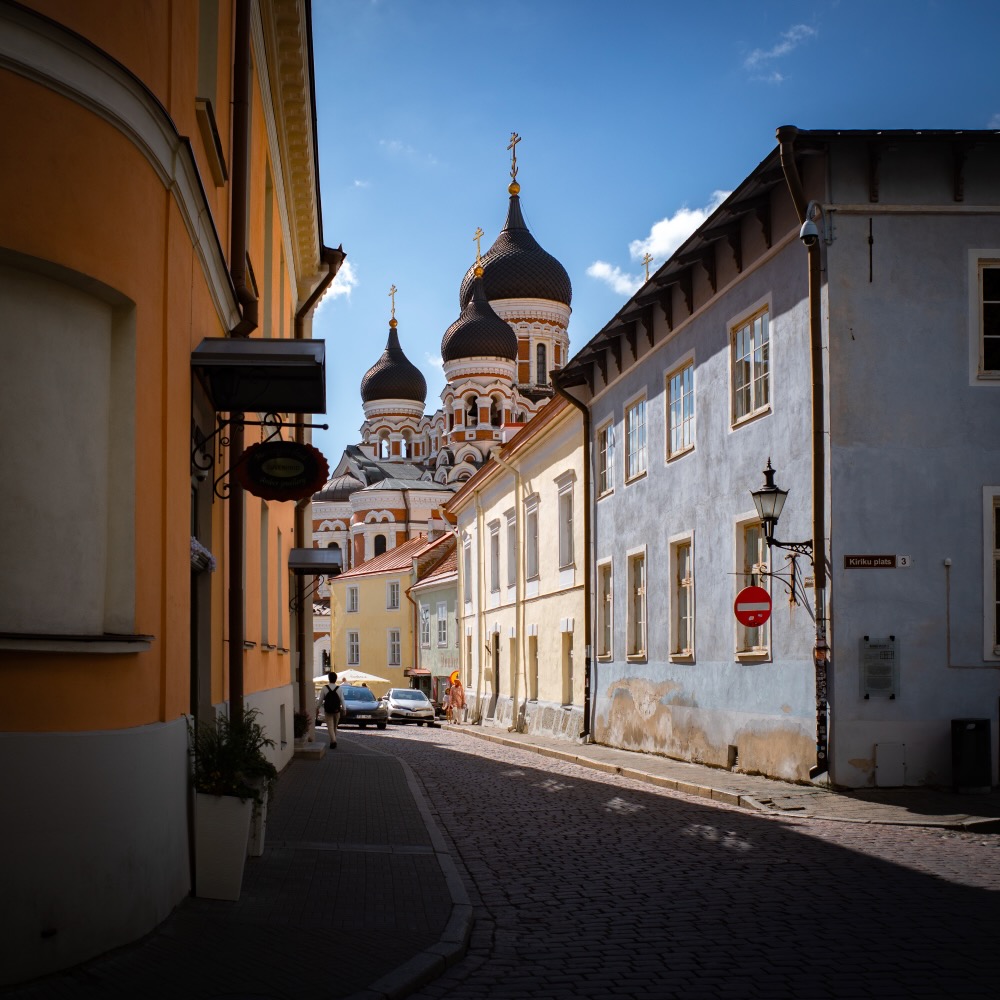
Tallinn: A Medieval Surprise
From Kraków, we took a short flight to Tallinn and stayed near the Old Town for four nights. The move marked a noticeable transition from Central Europe toward the Baltic and Nordic countries - along with having a cooler weather. The architecture and even the people initially reminded me more of Scandinavia, and the cultural relationship with nearby Finland became more apparent once we reached Helsinki.
Tallinn’s Old Town is a remarkably intact medieval city center. Its cobblestone streets, defensive walls, towers, old merchant houses, and Town Hall have survived in a way that is rare elsewhere in Northern Europe. There was no single building that defined Tallinn for me. The pleasure came from walking through the old streets and experiencing the area as a whole.
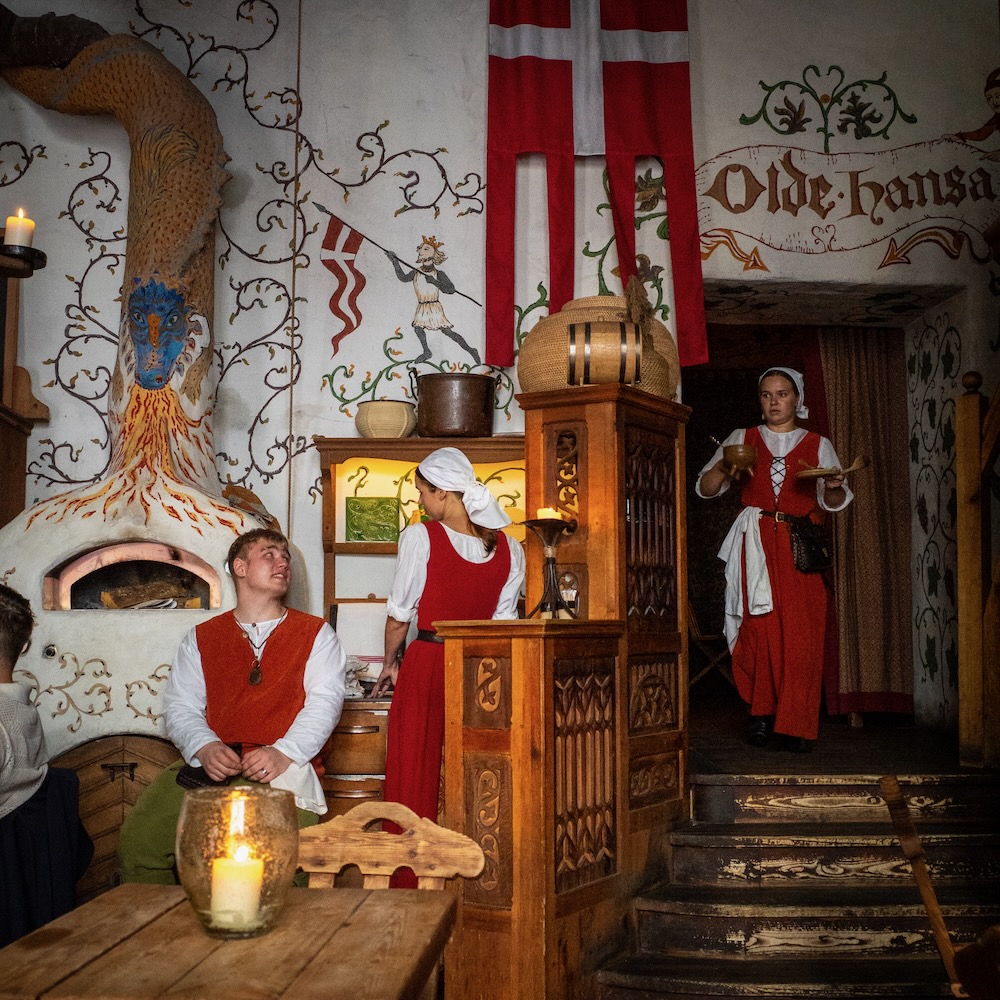
Our most memorable experience was at Olde Hansa, a restaurant designed to evoke the world of a wealthy Hanseatic merchant around 1470. Calling it a themed restaurant makes it sound more artificial than it felt. The staff wore medieval clothing and stayed in character, while the furniture, paintings, tableware, menu, and even the restrooms followed the same idea.
The menu avoided ingredients such as potatoes and tomatoes, which had not yet arrived in Europe from the Americas. The food was richer than what an ordinary person would have eaten in the fifteenth century and was presented as the food of a prosperous merchant. It was somewhat expensive by Tallinn standards, but the meal was genuinely tasty, not merely part of the performance. The staff even poured water over our hands at a washing station before the meal, as part of the medieval experience!
Tallinn was a pleasant surprise. It did not require a long checklist of attractions. It was simply a very enjoyable place to stay and walk around for a few days.
Helsinki: A City Defined by Design
We traveled from Tallinn to Helsinki on a ferry that took only about two hours but felt more like a large ship than a simple ferry. It had multiple restaurants, outdoor decks, and even a large department store. The journey passed so quickly that we barely had time to explore everything on board before arriving.
One of the highlights of Helsinki was our hotel, Scandic Grand Central Helsinki, beside the main railway station. The hotel occupied a beautifully repurposed historic building and was exceptionally well designed. That attention to architecture and interior design became my strongest impression of Helsinki.
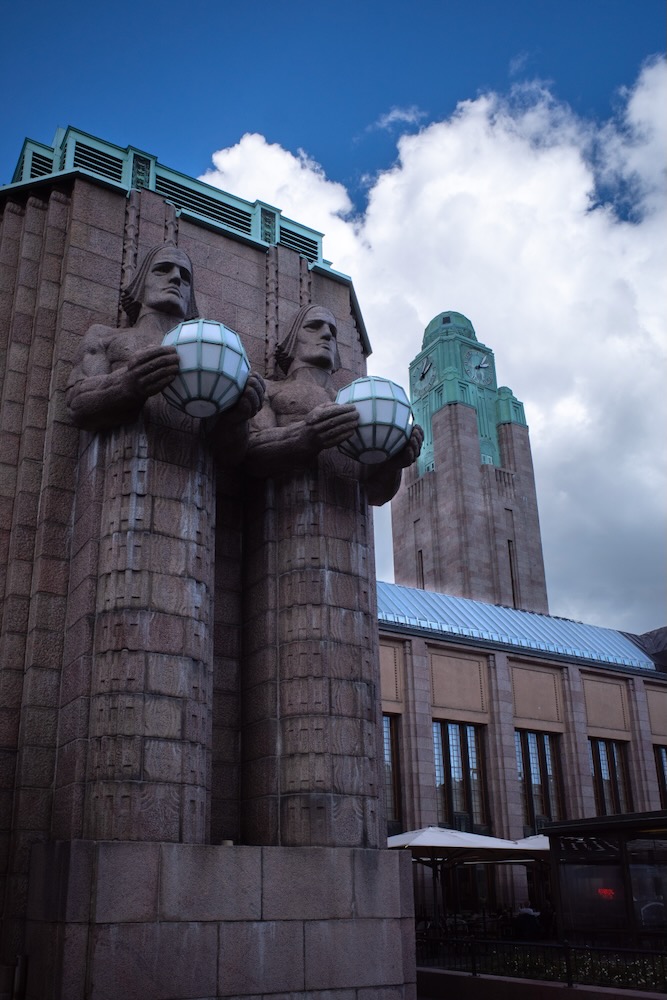
The railway station was another example. Designed in the Finnish National Romantic style with strong Art Nouveau influences, it has a monumental stone exterior and two pairs of large figures holding illuminated globes beside the entrance. The interior was also beautifully preserved. Because we stayed next door, we ended up having dinner in one of the station restaurants and breakfast in another.
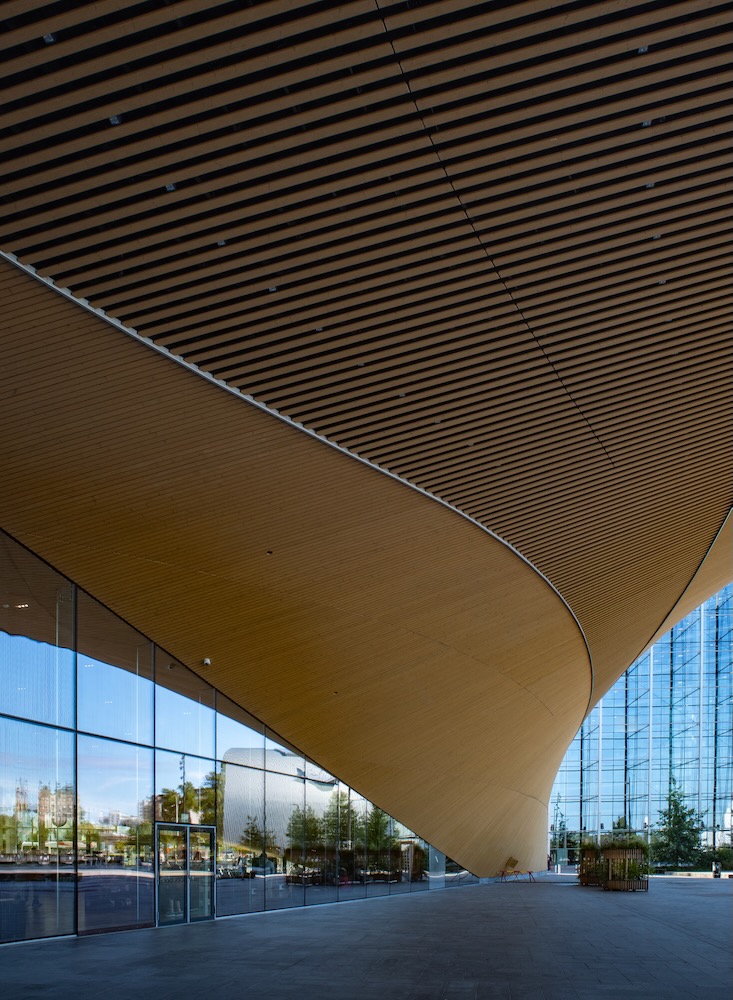
Helsinki Central Library Oodi represented a completely different architectural period, with its flowing modern exterior and large, bright interior. Our son loved the children’s area on the upper floor, making it another place where our interests happened to overlap.
The major religious landmarks included Helsinki Cathedral and Uspenski Cathedral. Uspenski’s ornate interior and Russian origins reflected another part of Finnish history. Finland spent centuries within the Swedish realm and then became an autonomous grand duchy of the Russian Empire in 1809. Swedish remained dominant in government and elite culture even though Finnish was widely spoken, until the nineteenth-century national movement elevated the Finnish language and identity.
Finland declared independence in 1917 after the collapse of the Russian Empire. A little more than two decades later, the Soviet Union invaded during the Winter War. Finland was heavily outnumbered and ultimately had to cede territory, but it preserved its independence. That history made the Ukrainian flags we saw around Helsinki feel especially meaningful. A large Ukrainian flag hung above the railway station, and we saw others throughout the city. The parallel with another neighboring country resisting Russian invasion was difficult to miss.
We stayed for only four nights. Helsinki did not feel like a city with an endless list of conventional attractions; its main tourist sights could probably be covered in a day or two. What made it memorable was the design visible in ordinary public spaces, hotels, restaurants, the railway station, and especially Oodi.
I cannot say much about Finnish food because we did not really try it. Unlike Poland, where Polish restaurants were everywhere, traditional Finnish cuisine was not an obvious part of our experience.
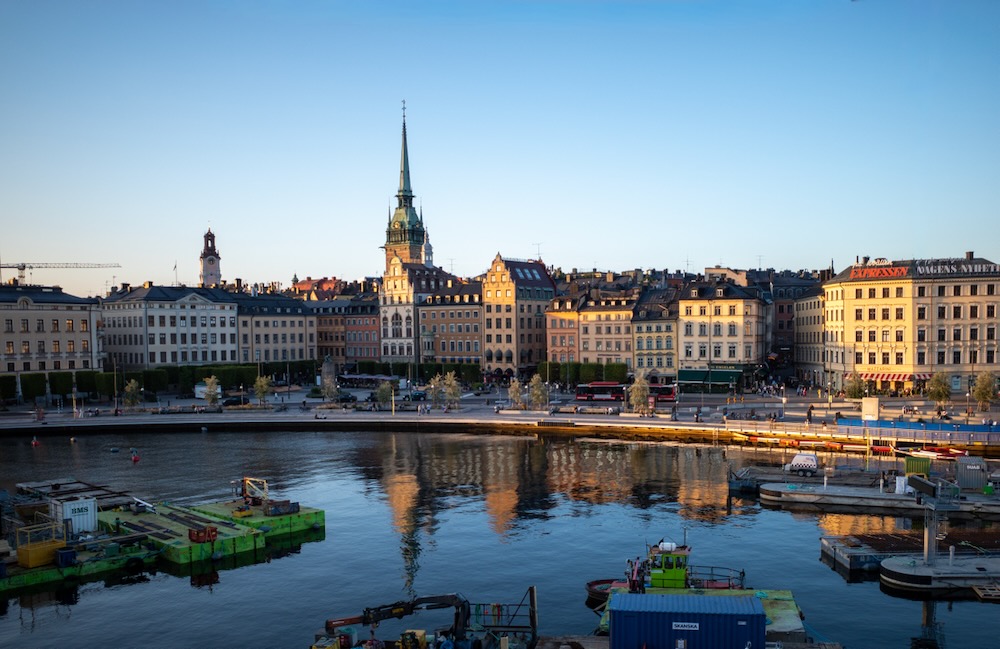
Stockholm: The Vasa and the Archipelago
The final leg of our journey began with an overnight ferry from Helsinki to Stockholm. We left around 5 p.m. and arrived the following morning around 10. The ferry was closer to a cruise ship, with a central promenade, shops, restaurants, entertainment, and a large playground for children.
We had a cabin with a sea view. The most scenic parts of the trip were leaving Helsinki and approaching Stockholm through what seemed like an endless collection of small islands. Our son enjoyed everything about the journey: exploring the ship, playing, eating, looking outside, and sleeping in a cabin at sea. The ferry was not merely transportation; it became one of the family’s favorite experiences of the trip.
We arrived in Stockholm on Monday and flew home on Saturday. If I had worked normally for the entire week, I would have seen almost none of the city. I therefore took close to two days off, although the heavy workload followed me even then.
We were fortunate with the weather. The days were mild and pleasant, and we really enjoyed them.
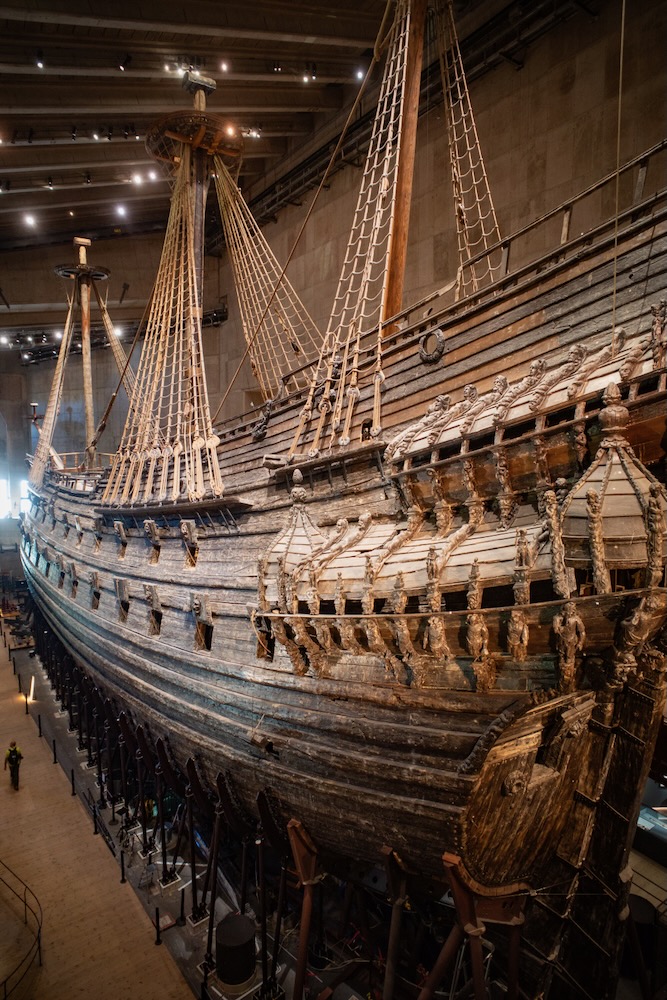
The unquestionable highlight for me was the Vasa Museum. The museum is built around an almost complete seventeenth-century warship that sank in Stockholm Harbour on its maiden voyage in 1628. I had high expectations before visiting, and the museum exceeded them.
My first reaction on seeing the ship was amazement at its size. I knew it was large, but seeing it in person was something else. It is enormous—about 69 meters long—and pretty tall, and richly decorated with hundreds of sculptures. Today the wood is dark, but the ship was originally covered in bright colors. A vessel like this normally exists for us only as a reconstruction, an illustration, or something created for a film. At the Vasa Museum, the actual 400-year-old ship towers above you.
The story of why it sank is also a fascinating engineering failure. Naval architects of the time did not have the mathematical tools we now use to calculate stability. They relied primarily on experience. Vasa’s upper structure was too tall and heavy relative to the narrow hull beneath the waterline, leaving the ship dangerously top-heavy.
The crew even performed a stability test before departure by having sailors run from one side of the deck to the other. The ship swayed so violently that the test had to be stopped. Despite that warning, it sailed anyway. A gust of wind caused it to heel, water rushed through the open lower gunports, and the ship sank after traveling for only less than a mile!
The museum included reconstructed sections of the interior outside the ship, allowing us to understand how cramped life aboard would have been. The captain’s quarters were much smaller than movies had led me to expect, although still far more comfortable than the sailors’ sleeping areas beside the cannons.
The ship remained underwater for over 300 years before being raised in 1961. The cold, low-salinity Baltic environment helped protect the wood from the organisms that normally destroy a wooden wreck. Raising such a large structure intact was an extraordinary achievement, but bringing it above water created another problem: if the waterlogged wood dried too quickly, it would shrink, crack, and collapse.
Conservators sprayed the ship with polyethylene glycol, or PEG, for 17 years, gradually replacing the water inside the wood. That was followed by years of slow drying and continuing conservation. The preservation effort was nearly as remarkable as the recovery itself.
An exhibition about the Titanic made me wonder whether humans might ever do something comparable with that ship. The circumstances are completely different: Titanic lies several kilometers beneath the North Atlantic rather than 32 meters below a sheltered harbor. Perhaps the engineering and economics will never make it possible. Still, it is fascinating to imagine a future museum built around the recovered remains of Titanic in the way this museum was built around Vasa.
The rest of our short visit included walking around Gamla Stan, stopping for fika, having Swedish meat balls (which taste a lot better than IKEA’s!), and visiting Stockholm City Hall. The Nobel Prize ceremony takes place elsewhere, but the banquet is held in City Hall’s Blue Hall, followed by dancing in the Golden Hall. The building was not as old as many of the European monuments we had visited, but its architecture and interiors made it well worth seeing.
We skipped several major attractions, including the Royal Palace, because there simply was not enough time. Even so, the ferry journey, the archipelago, and the Vasa Museum made Stockholm a memorable end to the trip.
Photographing Eight Cities
Architecture became the strongest visual thread across the six weeks. Berlin felt modern and deliberately unreconstructed. Dresden had rebuilt its Baroque skyline. Prague and Wrocław offered grand historic interiors, while Tallinn preserved the texture of a medieval trading city. Helsinki moved between National Romanticism, Art Nouveau, and modern design. Stockholm ended the journey with the Vasa’s sculpted wooden hull, City Hall, and the islands surrounding the city.
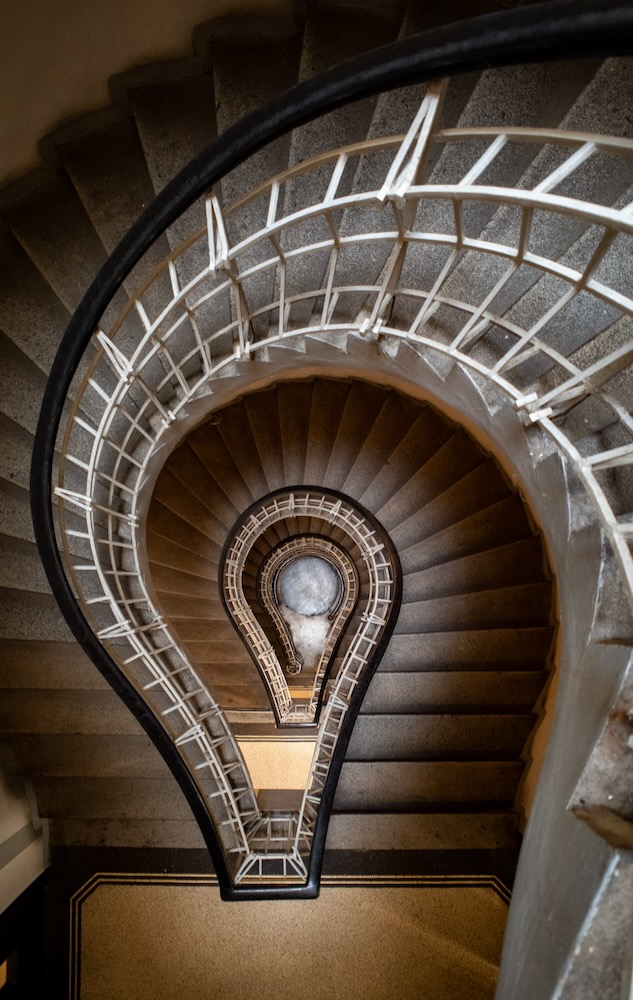
My fascination with helical staircases goes back well before this trip. I had already photographed many around Europe, including in Rome, Lisbon, and London, and I kept looking for them on this journey. The repeating curves and changing perspective make them fascinating subjects. The ultrawide lens was essential for these photographs, allowing me to fit the staircase’s sweeping shape into the frame.
I carried my Ricoh GR3 plus the ultrawide adaptor, giving me equivalent of 21mm focal length. Oodi in Helsinki was particularly enjoyable to photograph, and I spent time both inside and outside working with its modern architecture. It was also where I most wished I had brought a telephoto lens. There were details and layered shapes that I wanted to frame with a more compressed perspective, which was difficult with only wide lenses.
Having said that, I really enjoyed going so lightweight this time around. Since the main purpose of the trip was work, and I was carrying heavy laptop and monitor with me already, I didn’t want to increase my carry by bringing my Sony kit. Ricoh GR3 is a joy to use, and I used it effectively during the few outings I had in each location.
How AI Became Our Travel Guide During the Trip
As an AI engineer, I work with AI on a daily basis for coding, and software development - much more so this year, than before. Similarly, I also used AI much more heavily on this trip than on any previous one. It was involved before we left, while we were traveling, and even after we came back, writing these posts.
Planning the trip. I kept a dedicated conversation containing our itinerary, our reserved accommodations, my work requirements, our son’s interests, and our hotel preferences. AI helped research destinations, compare transportation options, and find cafés where I could work. I believe it also suggested the overnight ferry from Helsinki to Stockholm, which became one of our favorite experiences.
For hotels, I still browsed Booking.com, Expedia, or Tripadvisor myself. I then gave AI five to ten candidates and asked it to compare their neighborhoods, facilities, and reviews against our needs-which I provided. Flight searches were less successful; the tools I tried still lacked good access to booking information and useful interfaces.
Using AI on the ground. I asked for activity suggestions and used it as an audio guide inside museums. At the Vasa Museum, for example, I put in my AirPods and dictated questions about the ship, its sinking, and its recovery. I avoided “live voice chat” because background noise could interfere and the answers were often too short. Instead, I used dictation followed by the read-aloud function to hear longer explanations while exploring. This way, AI was my bespoke free-of-charge personal audio guide during the visits!
The conversation already knew my interests in history and photography, so it could connect explanations to my interests, and the places we had visited. I could describe an object or snap a photo and ask about it. The recommendations and explanations still required judgment, but this was a very useful addition to the trip.
Writing the posts. I tried a totally different approach this time around. During the trip, I recorded voice memos about the destinations and broader topics-when the experience was fresh in my mind. When it came to writing the posts, I asked AI to transcribe them locally, use them as the source of truth, and ask about missing details instead of inventing experiences. I also asked it to read my earlier blog posts to learn my writing style.
We discussed the structure, split the material into two posts, and edited through conversation. I corrected facts, rewrote unnatural passages, and added family perspectives the memos had missed. Separate agents reviewed the first post for accuracy, style, and reader interest. AI helped with the drafting and revisions; I made the final decisions about the text, photographs, and publication. This was so much easier than writing them on my own!
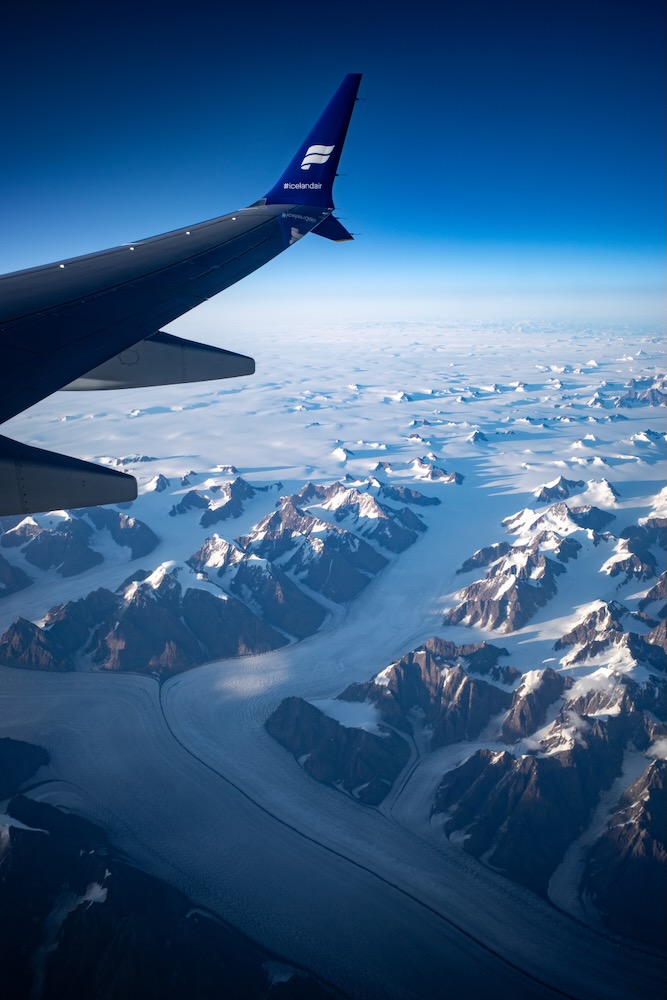
One Last Mishap on the Journey Home
Our final adventure happened at Stockholm Airport before the flight home.
We had traveled with two carry-on bags, but Icelandair had a strict size limit. On our outbound journey, the bags had been about an inch too wide, and we had been charged a substantial amount (I still hold a grudge against them for that!). I did not want to repeat that experience, so for the return flight I decided to check both bags instead.
Much of the process at the airport was automated. I printed our boarding passes and two luggage tags at a machine, then carried the unattached tags to the self-service bag drop. The screen told me to place a bag on the conveyor, and I did. Then it said to scan the tag, which I did (while it was still in my hand), and immediately the untagged bag moved, and disappeared into the sorting system! Such a stupid system. There were no instructions to put the tags on before putting them on the conveyor, and no one to remind people.
Airport staff told me that they could not simply reach in and retrieve it. The bag had entered the larger facility and could take anywhere from 20 minutes to two hours to find and return it. Icelandair staff called the sorting team and said they would let us know when it was found. They also asked whether we intended to fly if the bag did not return in time. We wanted the luggage back, but we were not going to miss the flight for it.
Fortunately, the bag reappeared after about an hour. We attached both tags correctly, checked the luggage, and continued to the gate. We had arrived at the airport two and a half to three hours early, as we usually do, and this was exactly why. I could never have predicted this particular mistake, but extra time saved us from a potential disaster.
We still had only about an hour and 20 minutes to connect in Keflavík, where the passport-control line was fairly long. We made the connection and eventually arrived in Seattle with both bags.
After six weeks, it felt very good to be home!
Travel as a Way of Expanding Time
My philosophy of travel is somewhat different from that of many people. I enjoy my work, including the problems I solve as a software engineer working in AI. At the time, building something, debugging an issue, or working through a difficult technical problem can be satisfying.
But in retrospect, much of it compresses. Six weeks of coding, meetings, and ordinary routines can blend into one another, and once you look back, there is nothing to remember!
Travel does the opposite. It expands time.
The new places are part of it, but so are the smaller changes: waking up in a different room, eating a different breakfast, walking an unfamiliar street, taking a train to the next city, or even working at a café in Tallinn. These experiences give the days separate identities.
Even though I worked five days a week during most of this trip, the six weeks produced a remarkable number of memories. I remember the contrast between Berlin and Dresden, the beauty of Prague, the history behind Wrocław, our time with family in Kraków, the medieval streets of Tallinn, the architecture of Helsinki, and the moment I first saw the Vasa towering inside its museum. I remember trains, ferries, cafés, museums, breakfasts, ice creams, and the stressful hour when our untagged luggage disappeared into Stockholm Airport. But I remember almost nothing of the six weeks before the trip - and that’s why I travel.
The trip was more difficult that I expected, particularly because of the work schedule, but it gave us something lasting as a family. Years from now, the long working days will probably compress together. This trip and its memories will not.
FAQ
How do you plan these long-term trips? Do you book everything in advance or plan as you go?
This is probably the question I get most often! Here is how I do it: I start with a rough idea of where we want to visit. Then I come up with a route, based on many criteria, one being an entry point that we want to visit and can reach at a reasonable airfare, for example. If flights to one city are too expensive, I look elsewhere. Then I finalize a “rough route”. When you travel for a longer period time, you have more flexibility to choose a route that costs less.
I usually book transportation and accommodation for the first two to three weeks. Beyond that, we have a general idea of where we want to go, and I arrange the rest while we travel, comparing transport costs and hotels along the way. We mostly follow the original route, but leave room to change it.
For this six-week trip, I initially bought only the outbound flight. We had considered returning through San Francisco for a work visit, but eventually decided against it, so leaving the return open was useful. I usually buy the flight home two or three weeks before the end, or earlier if our plans are settled. I like having the beginning organized and the rest flexible.