Iceland: Chasing Light in the Land of Fire and Ice - Part 2
In the first part, I discussed a general overview of Iceland, along with the logistics of travel in Iceland. In the second and final part, I will share our experience in Iceland, along with my photography insights.
Our Itinerary
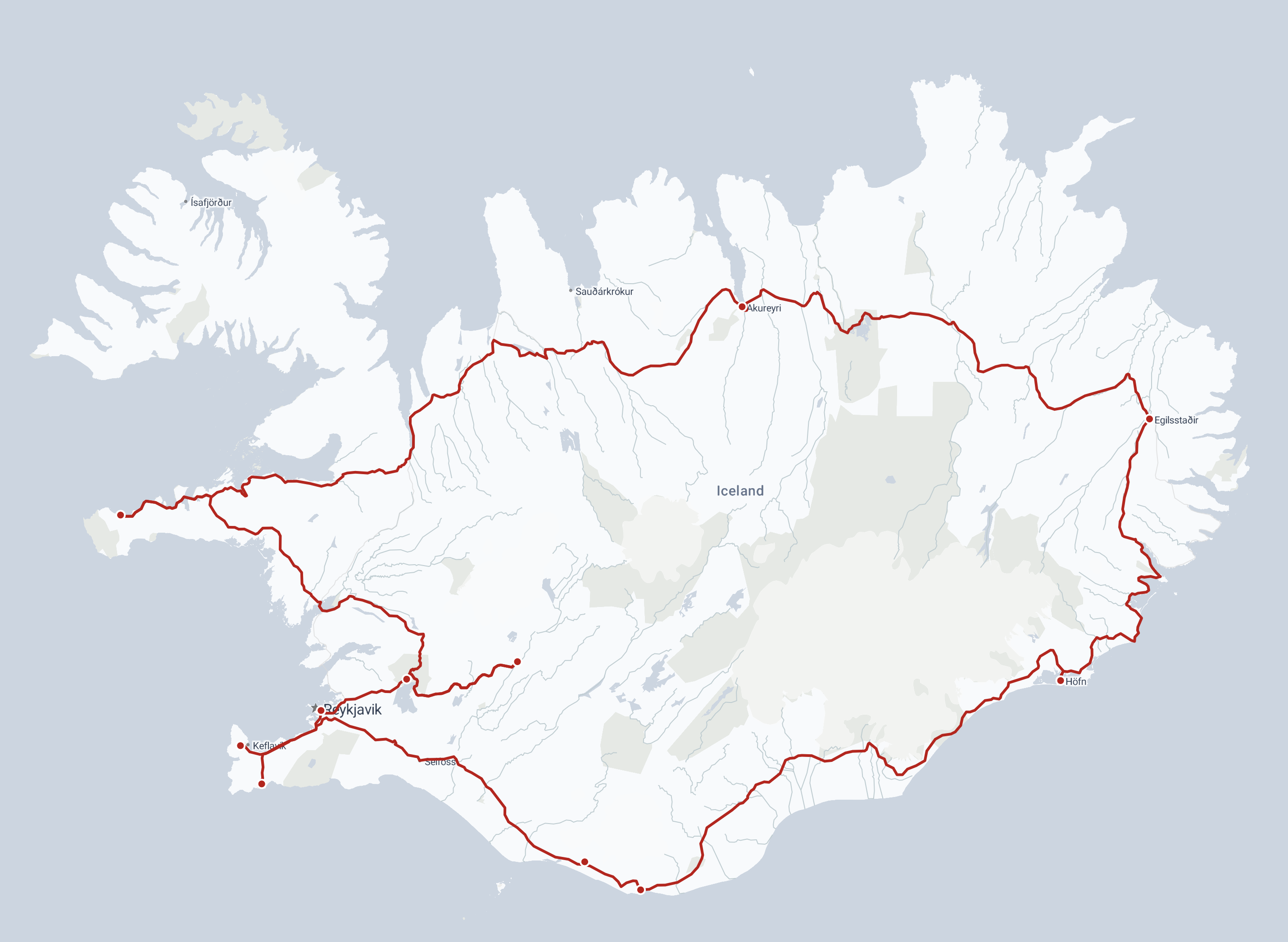
With two weeks at our disposal, we decided to take our time and travel around Iceland counter-clockwise on the aptly named Ring Road. After arriving at Keflavik Airport, Kuku Campers picked us up and took us to their office where we collected our campervan.
Our route took us east first to explore southern Iceland, staying at different campgrounds each night. We then continued to the east, north, and made our way to the Snaefellsnes Peninsula, where we spent three nights before heading to the Golden Circle for a couple of nights.
We seriously considered visiting the Westfjords—a legendary region with very few visitors—but ultimately decided against it. The Westfjords would have involved extensive driving around numerous fjords, and we didn’t have the time or patience for that level of commitment. We also couldn’t access the famous Highlands in the middle of Iceland, as most roads in that area remain closed through late May.
Highlights of Our Iceland Trip
Waterfalls
Iceland truly is the land of thousands of waterfalls. Around every corner, you’ll spot multiple cascades tumbling down cliffsides, making it impossible to photograph them all. Here are the standouts from our journey:
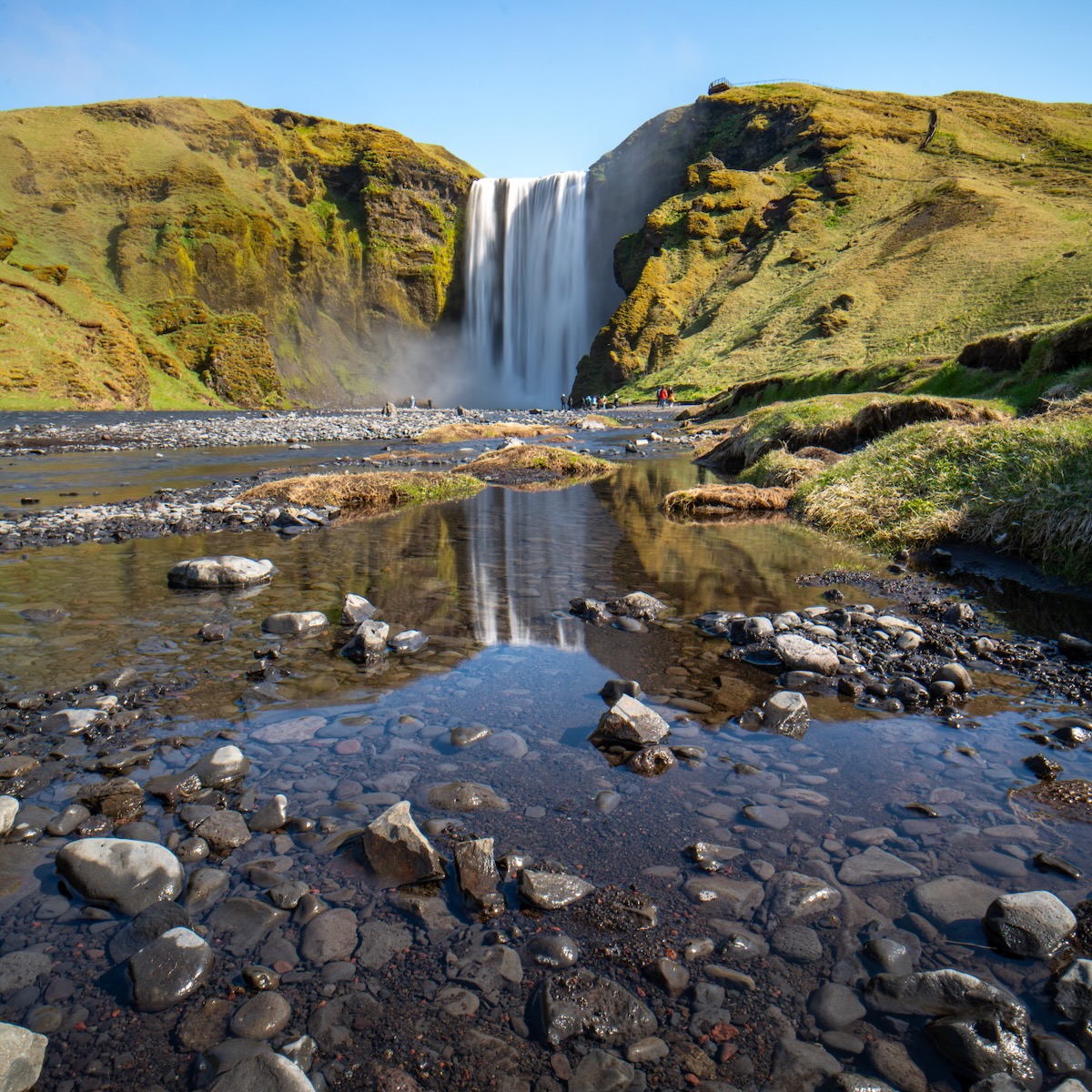
Skógafoss is one of Iceland’s most famous waterfalls, and its proximity to Reykjavik means it attracts crowds. However, staying at the campsite directly in front of it meant we had the falls to ourselves before the tour buses arrived each morning. Pro tip: visit Seljalandsfoss along the way to Skógafoss—you can actually walk behind this waterfall for a unique perspective (though you certainly need a rain jacket!).
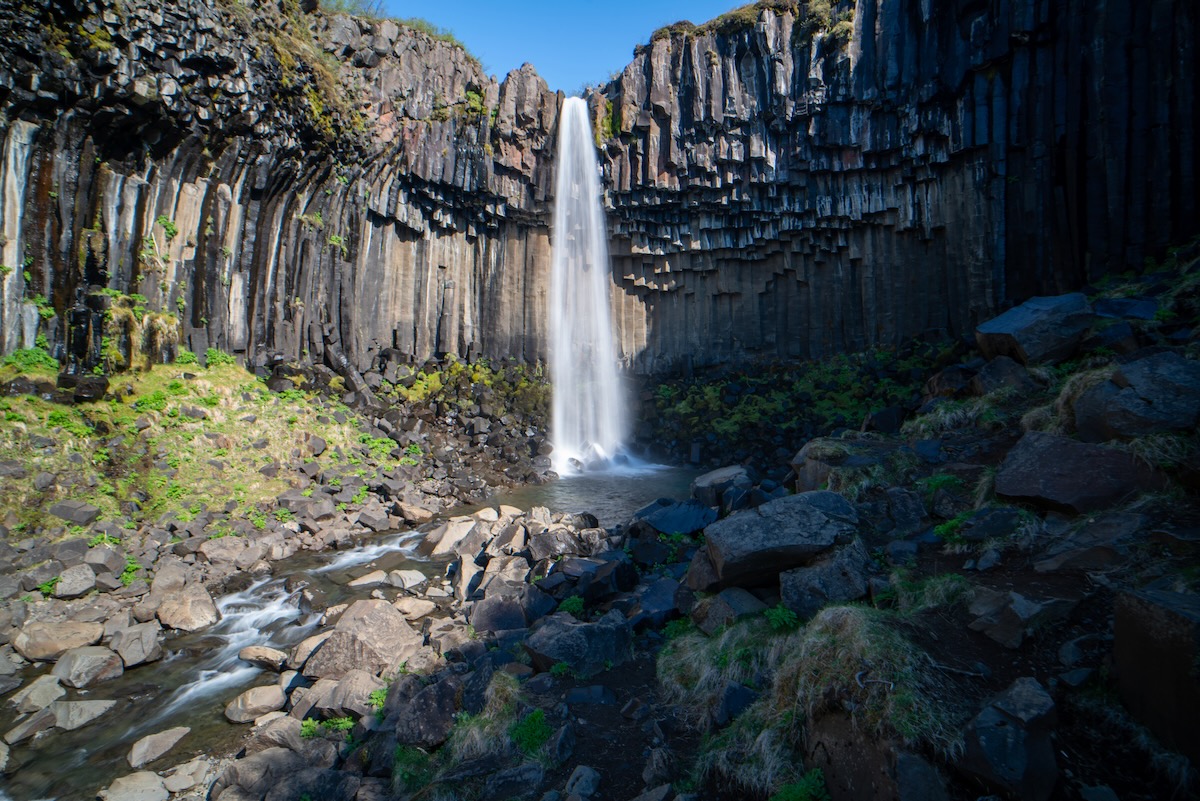
Svartifoss is known for its distinctive basalt column formations that frame the waterfall like a natural cathedral. The hike to reach it wasn’t too challenging—about 1.5 kilometers each way through Skaftafell National Park—and the payoff is spectacular.
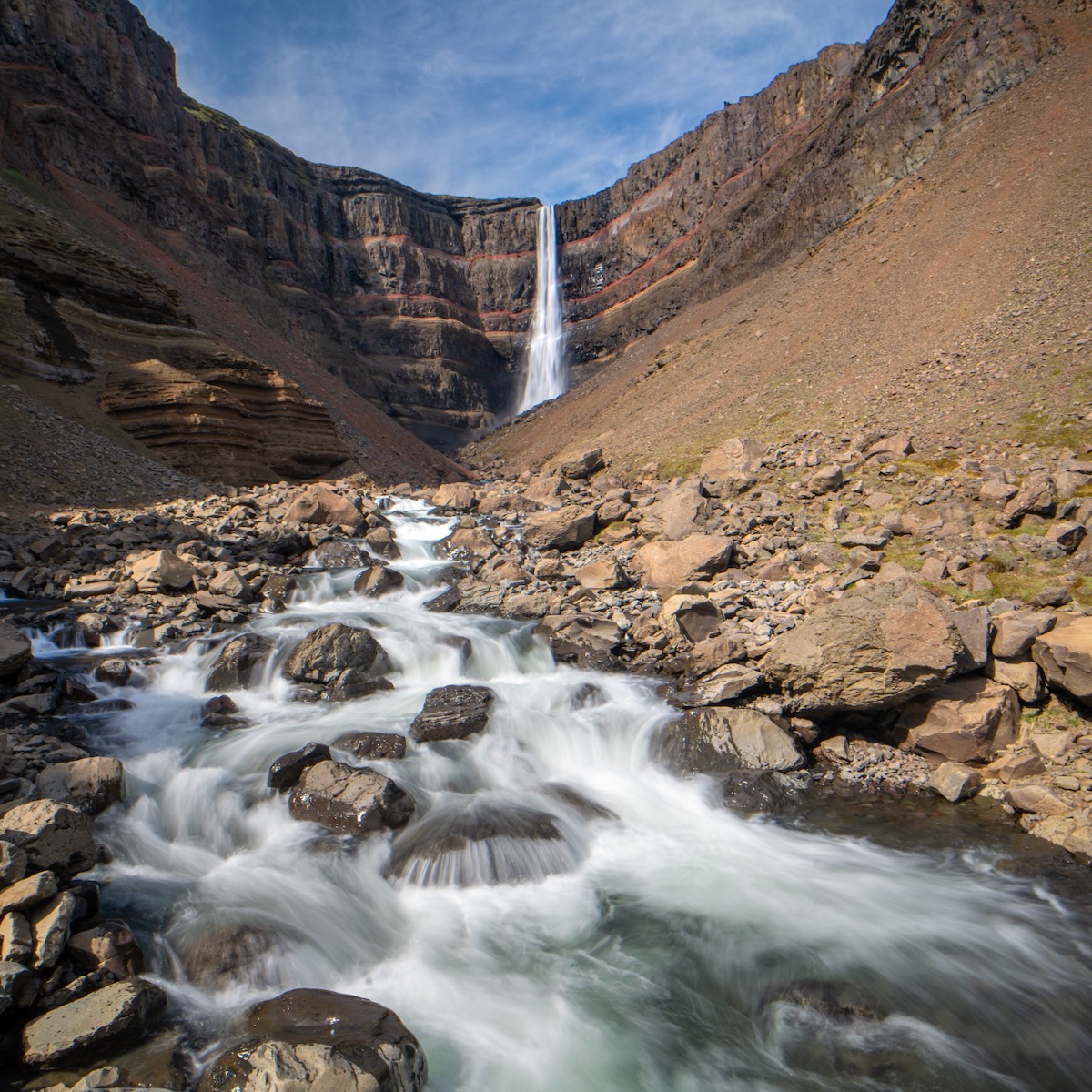
Hengifoss required a more substantial hike of about 2.5 kilometers, but this 128-meter waterfall with its striking red clay stripes in the surrounding rock face made every step worthwhile. The trail offers several viewpoints, so you can capture different perspectives. We did it with our 4-year-old son, so you know it is not too hard!
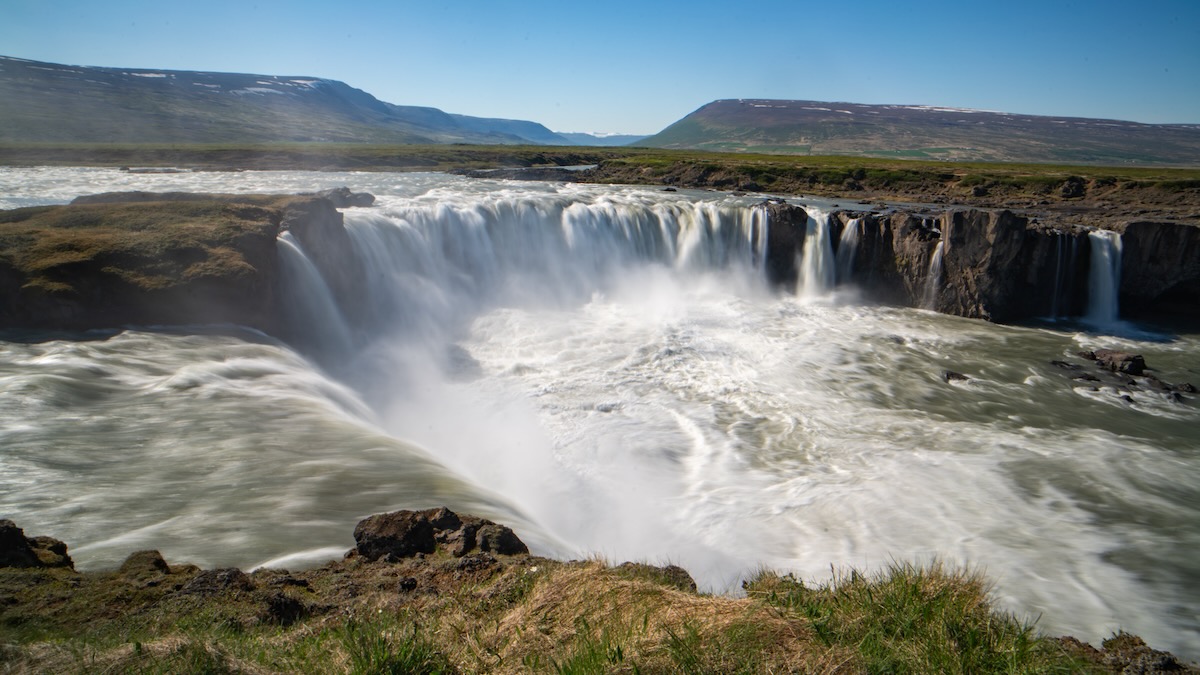
Geitafoss is a hidden gem that most tourists miss. This powerful waterfall sits in a narrow canyon, creating dramatic lighting conditions that change throughout the day.
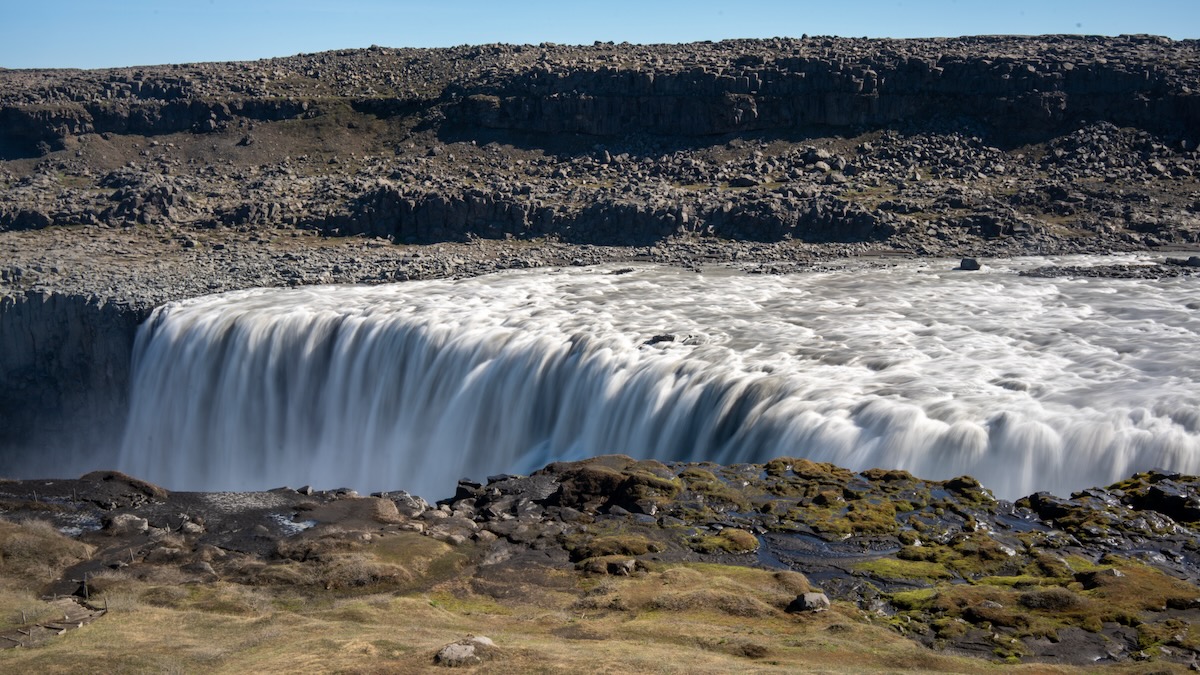
Dettifoss is arguably Europe’s most powerful waterfall and was featured in the opening scene of the movie Prometheus. The sheer volume of water thundering over the edge is both humbling and exhilarating. The mist creates rainbows on sunny days, adding to the spectacle.
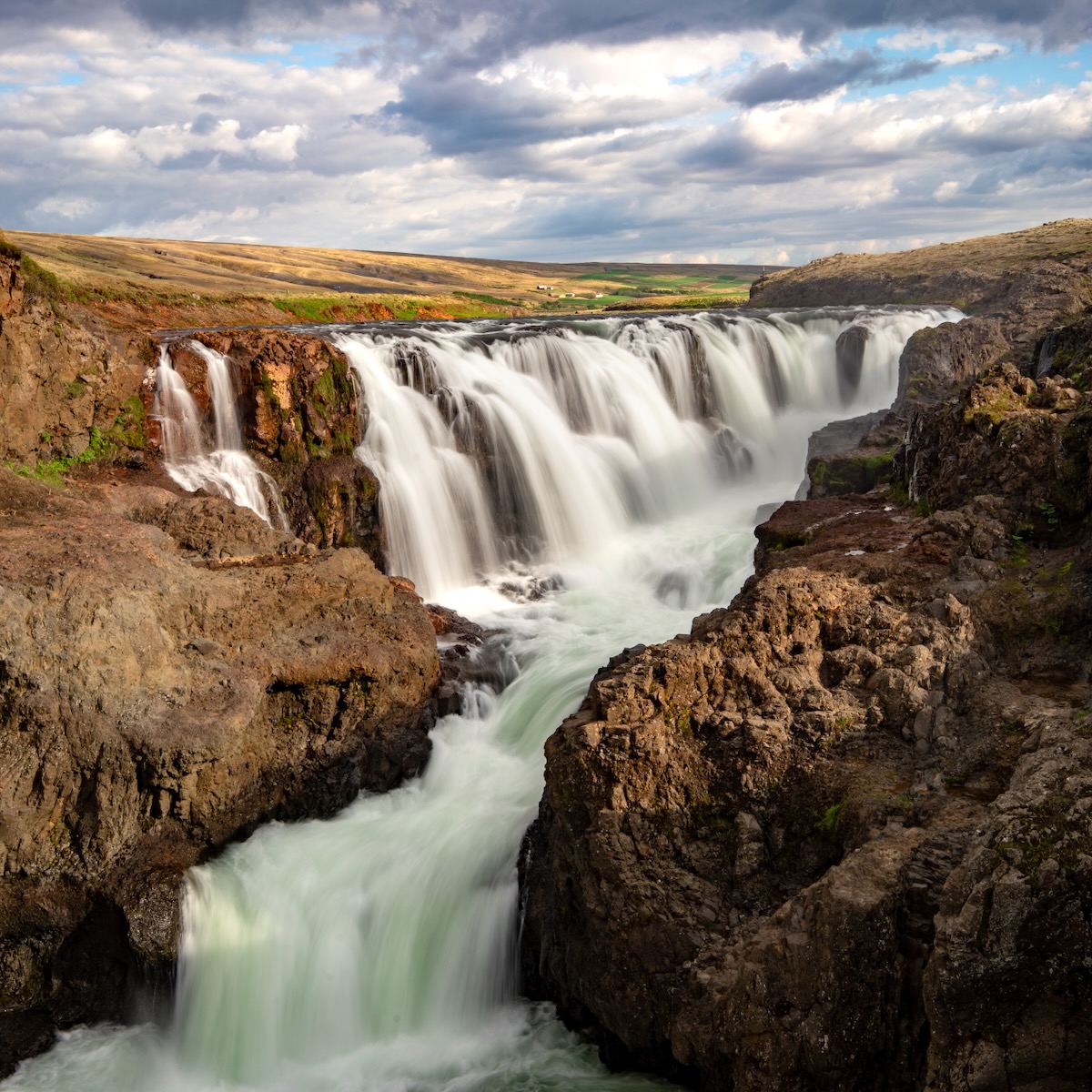
Kolugljúfur became one of my favorite waterfall photography locations. With very few visitors, this beautifully tiered waterfall offers incredible compositional opportunities without the crowds.
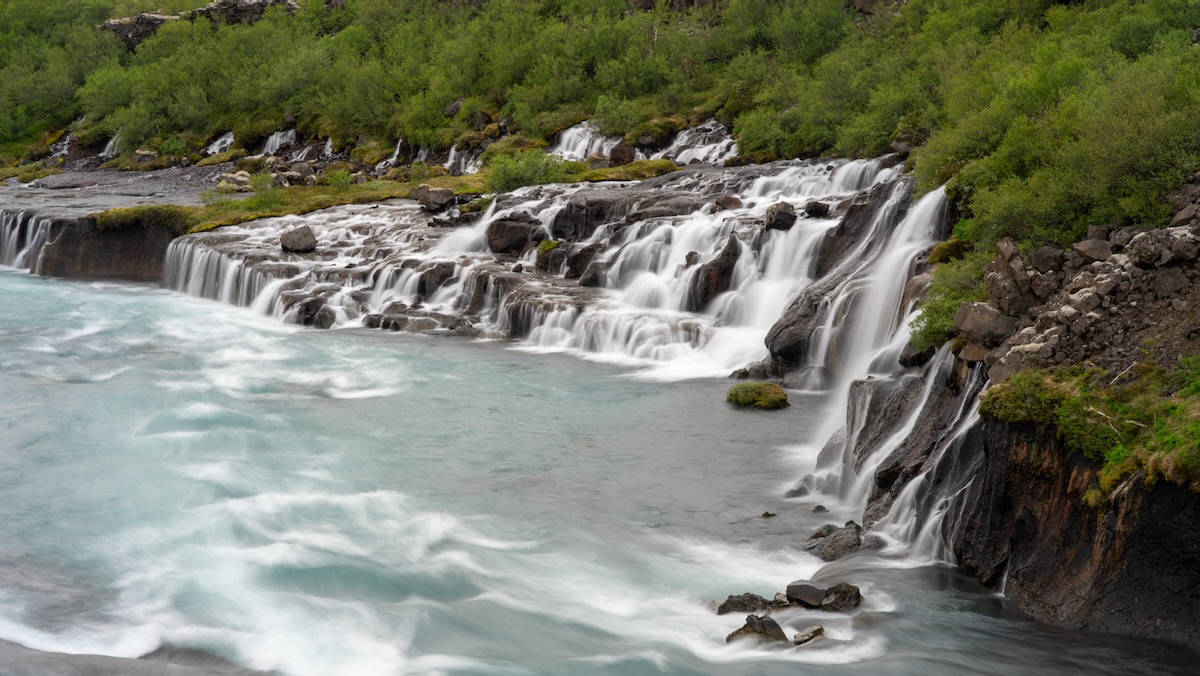
Hraunfossar presents a completely different waterfall experience—instead of a single dramatic drop, water seems to emerge directly from the lava field, creating a series of gentle cascades that stretch for nearly a kilometer.
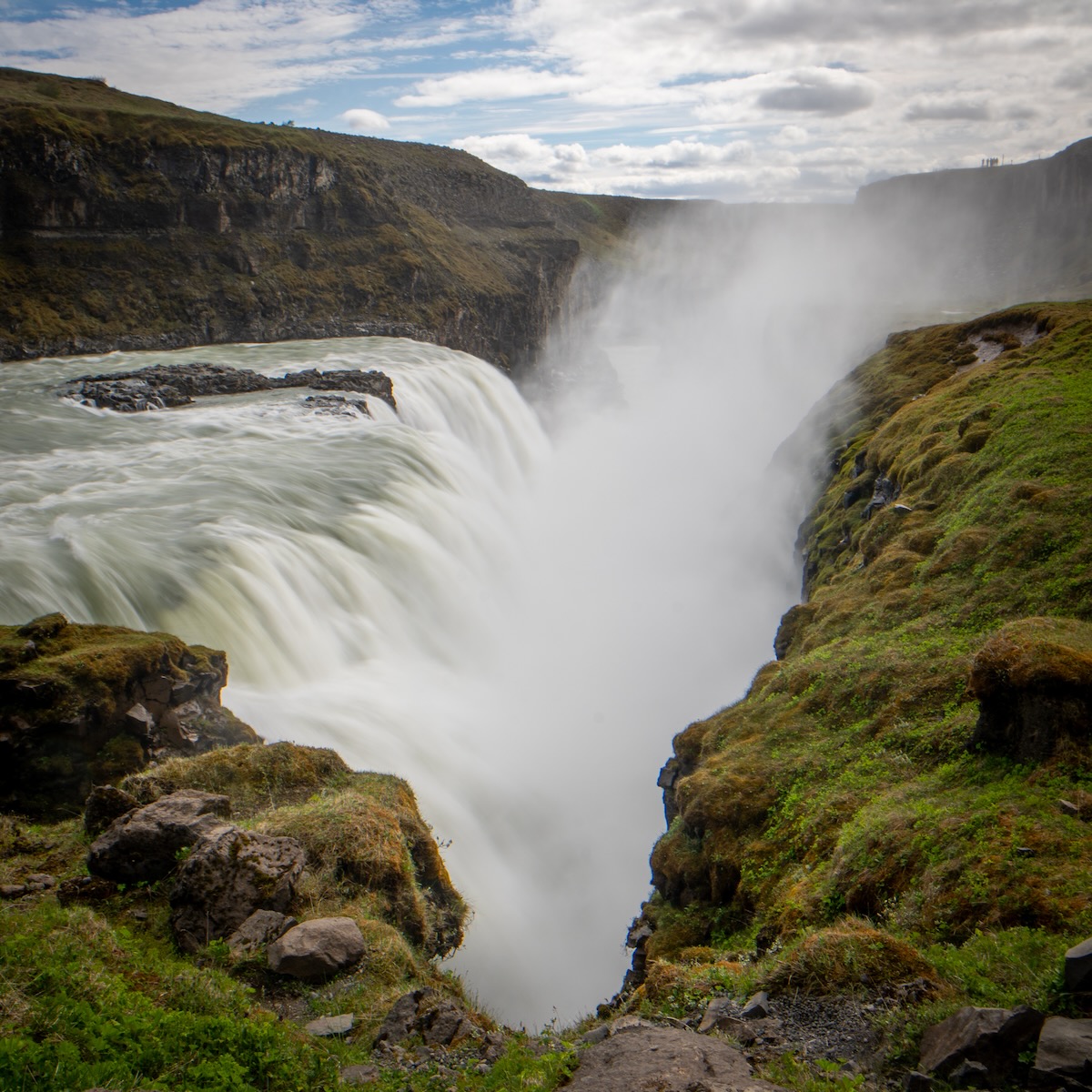
Gullfoss was the most impressive and powerful waterfall we encountered, though perhaps not the most photogenic due to its massive scale. The two-tiered drop and the sheer volume of water make it absolutely worth the visit. Note that it is probably the most visited waterfall in all of Iceland too, due to being located on the Golden Circle.
Black Sand Beach (Reynisfjara)
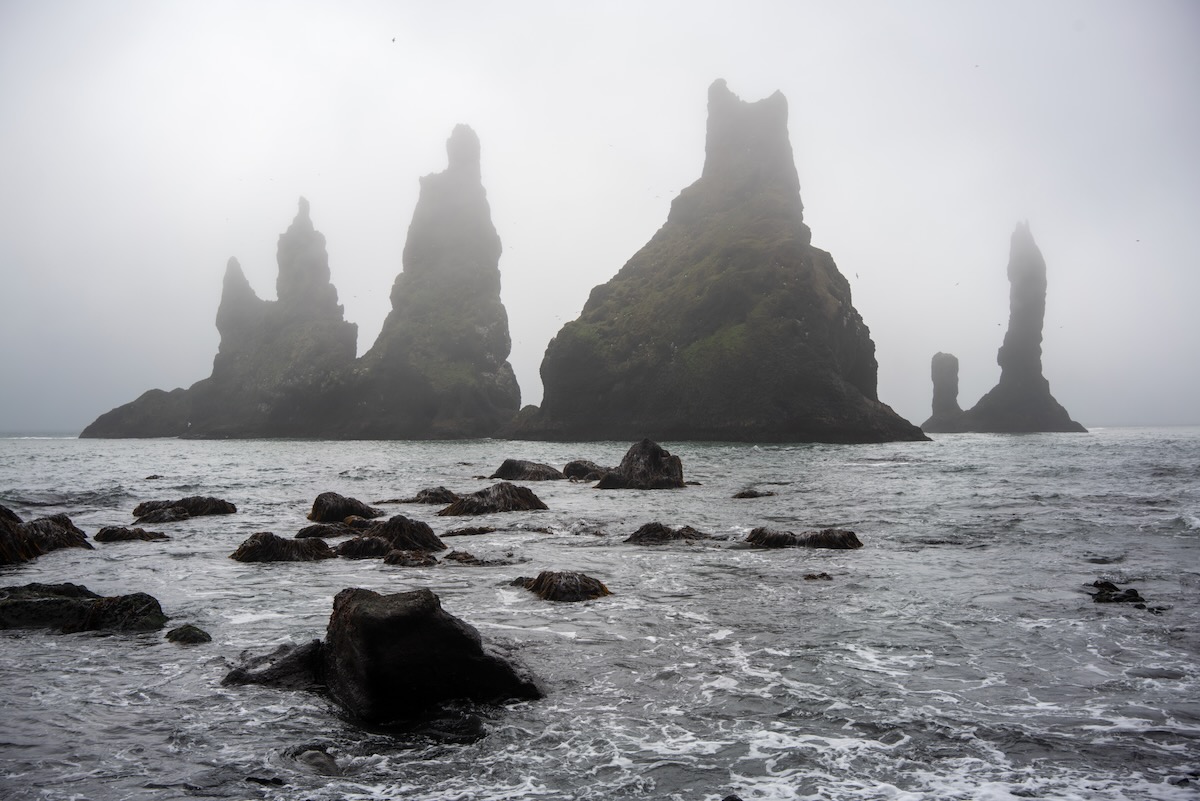
Located in southern Iceland, Reynisfjara was my absolute favorite photography location in the entire country. We arrived during strong winds and mist, creating surreal conditions where everything appeared in stark black and white contrast, punctuated by fantastical basalt rock formations and sea stacks.
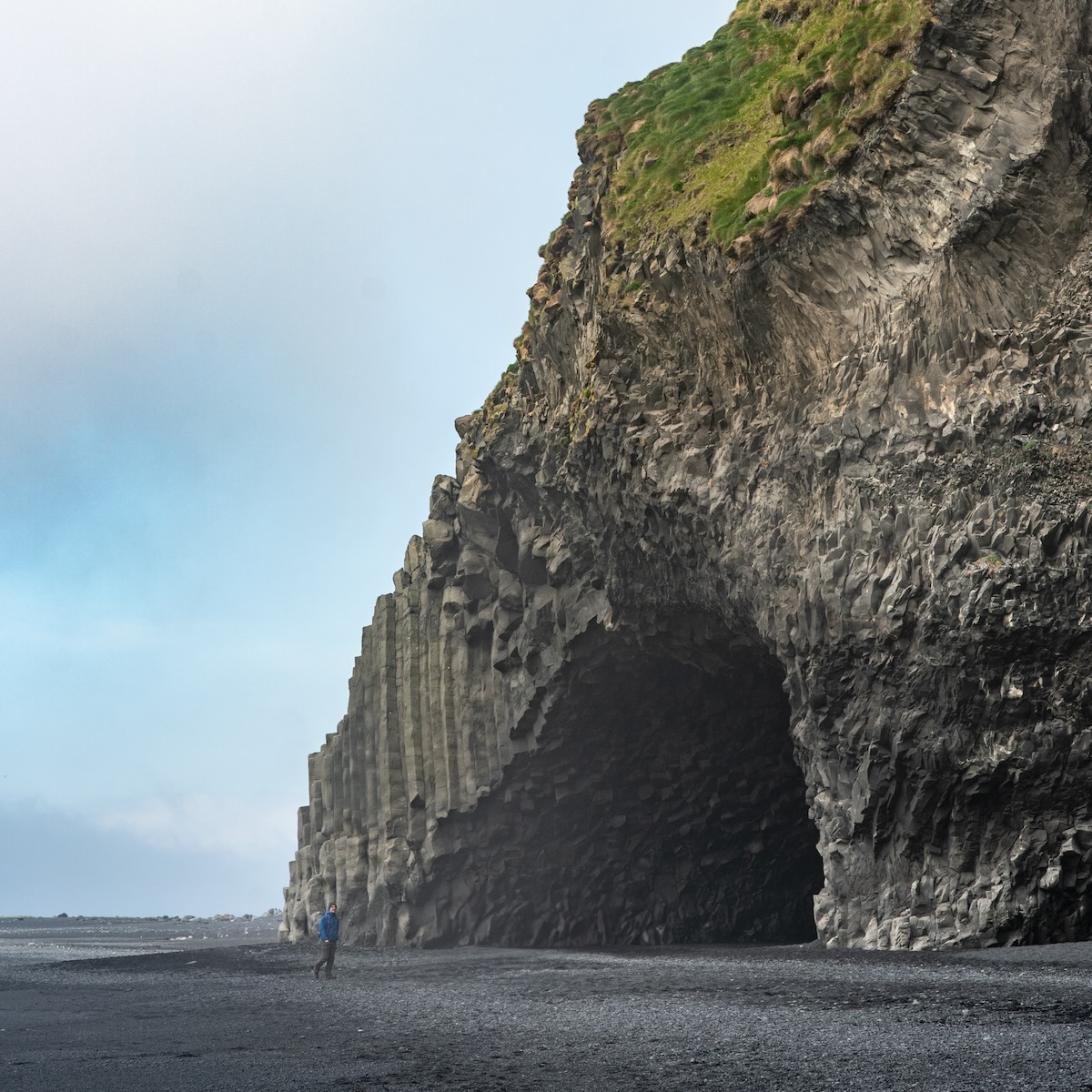
The dramatic Reynisdrangar sea stacks rise from the ocean like ancient sentinels, while the beach’s geometric basalt columns create natural leading lines for compositions. I spent hours walking the shoreline, completely absorbed in the ever-changing light and wave patterns. Just be extremely careful of the powerful sneaker waves—they are called “sneaker” waves for a reason!
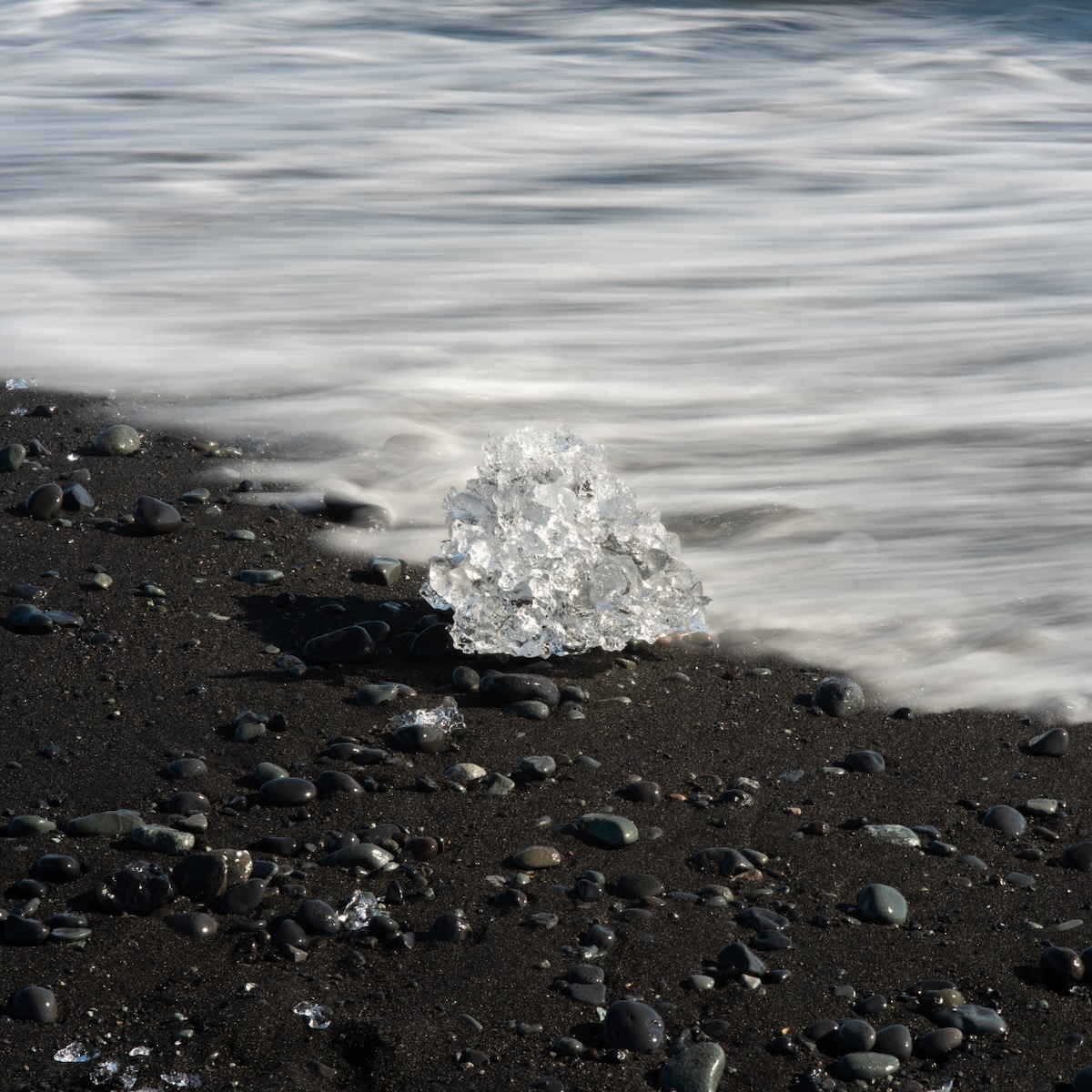
Diamond Beach (Breiðamerkursandur)
This stretch of black sand beach adjacent to Jökulsárlón glacier lagoon is littered with icebergs that have washed ashore, creating a surreal landscape of crystal-clear ice against volcanic sand. The contrast is striking, and the ice formations change constantly as waves and weather reshape them. Each iceberg catches light differently, creating endless photographic opportunities.
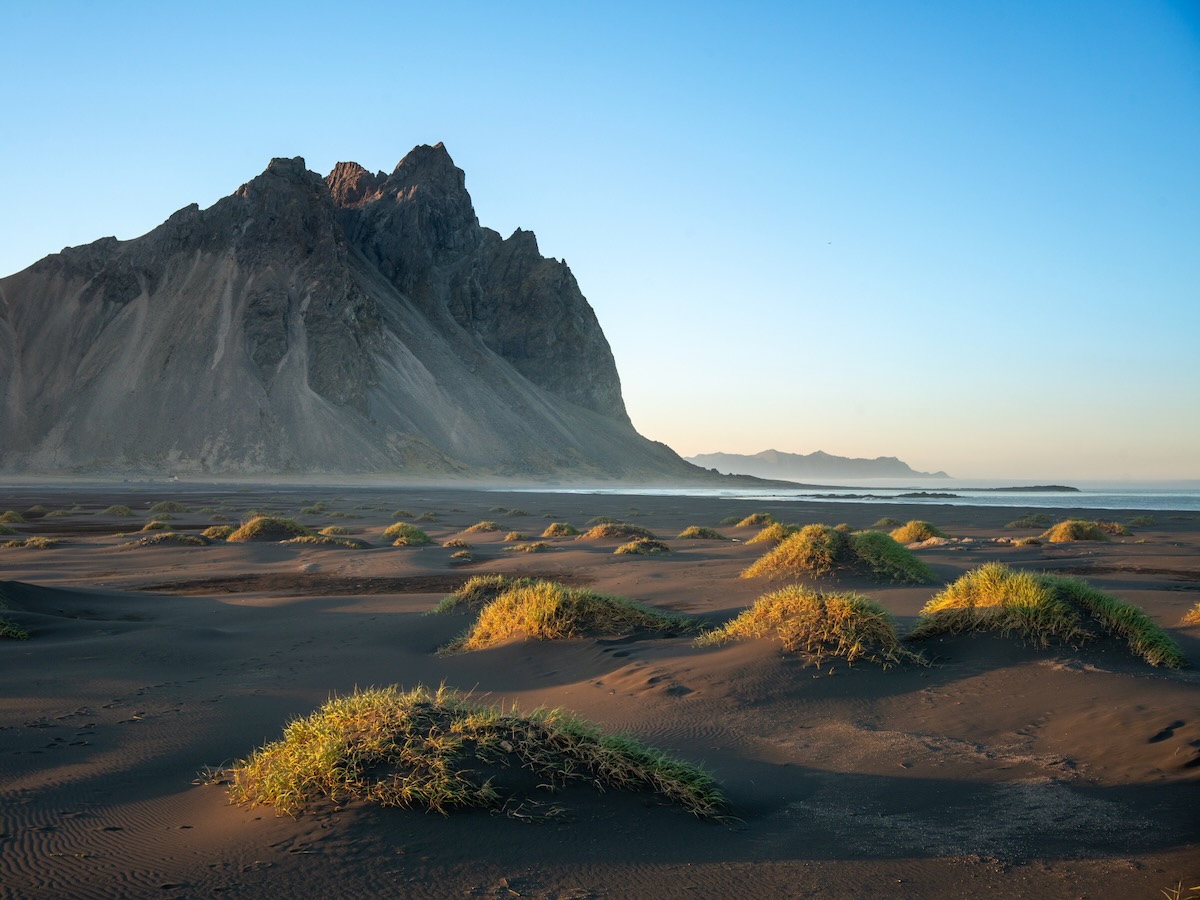
Stokksnes
Stokksnes is instantly recognizable to any landscape photographer—the dramatic Vestrahorn mountain rising from black sand dunes creates one of Iceland’s most iconic scenes. We were thrilled to find a campground nearby, allowing us to attempt both sunset and sunrise shots.
The sunset session went well, but I knew I needed to return for sunrise to capture even better light. So I woke at 3 AM and drove slowly to the location while my wife and son slept peacefully in the campervan. Unfortunately, thick fog completely obscured the iconic mountain, and despite waiting for hours, it never cleared. I was disappointed not to capture the shot I’d envisioned, but that’s the reality of nature photography—the Gods of Photography are not always in your favor!
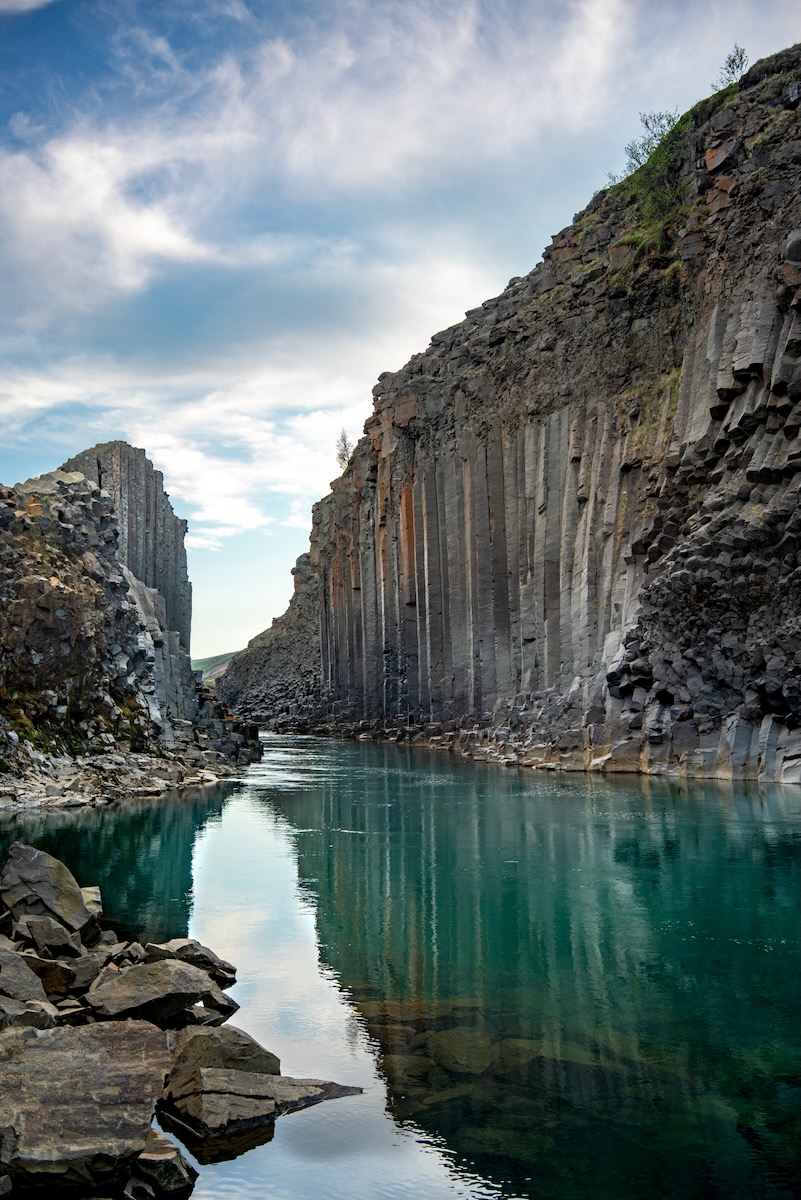
Stuðlagil Canyon
This relatively recent Instagram sensation features a narrow canyon with stunning basalt columns and a bright blue/green river flowing through it. The canyon gained popularity after a hydroelectric dam was built downstream, lowering water levels and revealing the dramatic rock formations.
While it wasn’t quite as impressive as the heavily processed photos suggest, it’s still a beautiful location worth visiting. The hike is relatively easy, and the geometric patterns in the rock face provide excellent compositional elements.
Thermal Baths
Iceland’s geothermal activity creates numerous opportunities for relaxation in naturally heated waters. We enjoyed thermal baths so much that we visited three thermal spas and one public pool during our stay.
The thermal spas are often modern and beautifully designed, yet surprisingly relatively affordable for what they offer. Each town also maintains its own public pool, which unlike many in the US, are impeccably clean and feature hot water pools of different temperatures, just like the much more expensive thermal spas.
We intentionally avoided the famous Blue Lagoon, as it’s overtouristed and overpriced. We preferred smaller thermal baths away from the tour bus routes, where we could relax without crowds and enjoy a more authentic experience.
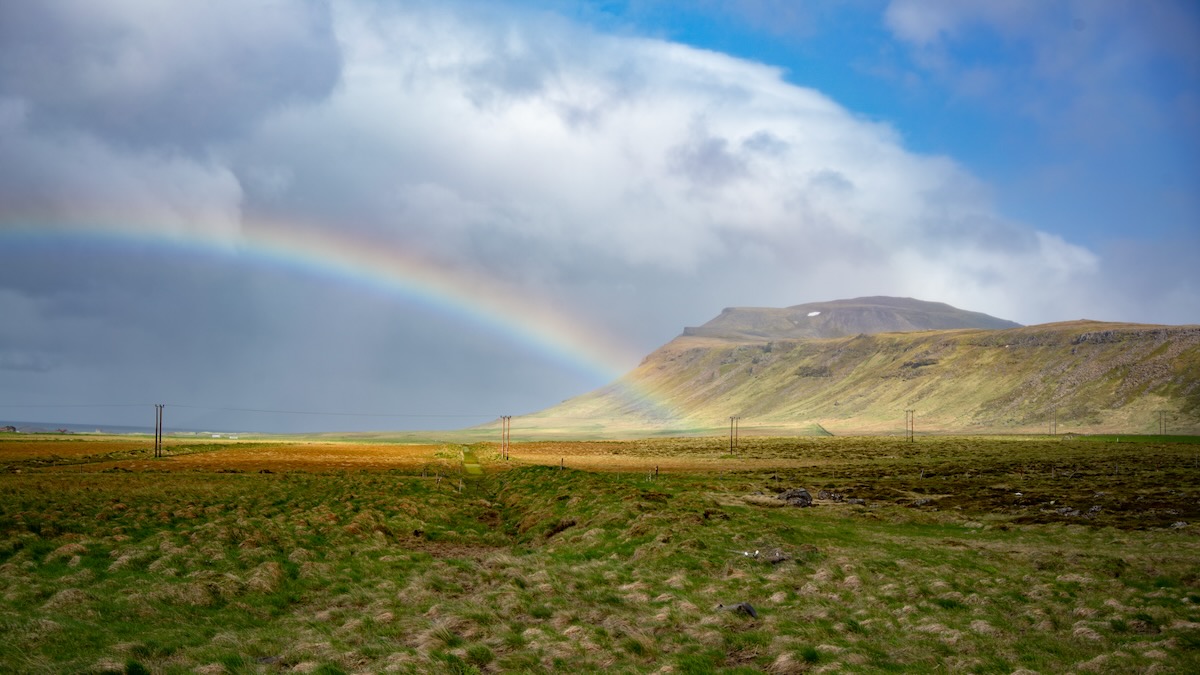
Snaefellsnes Peninsula
This peninsula, often called “Iceland in miniature,” was by far my favorite region, especially the northern coastline where we spent most of our time. The diversity of landscapes packed into this relatively small area is remarkable.
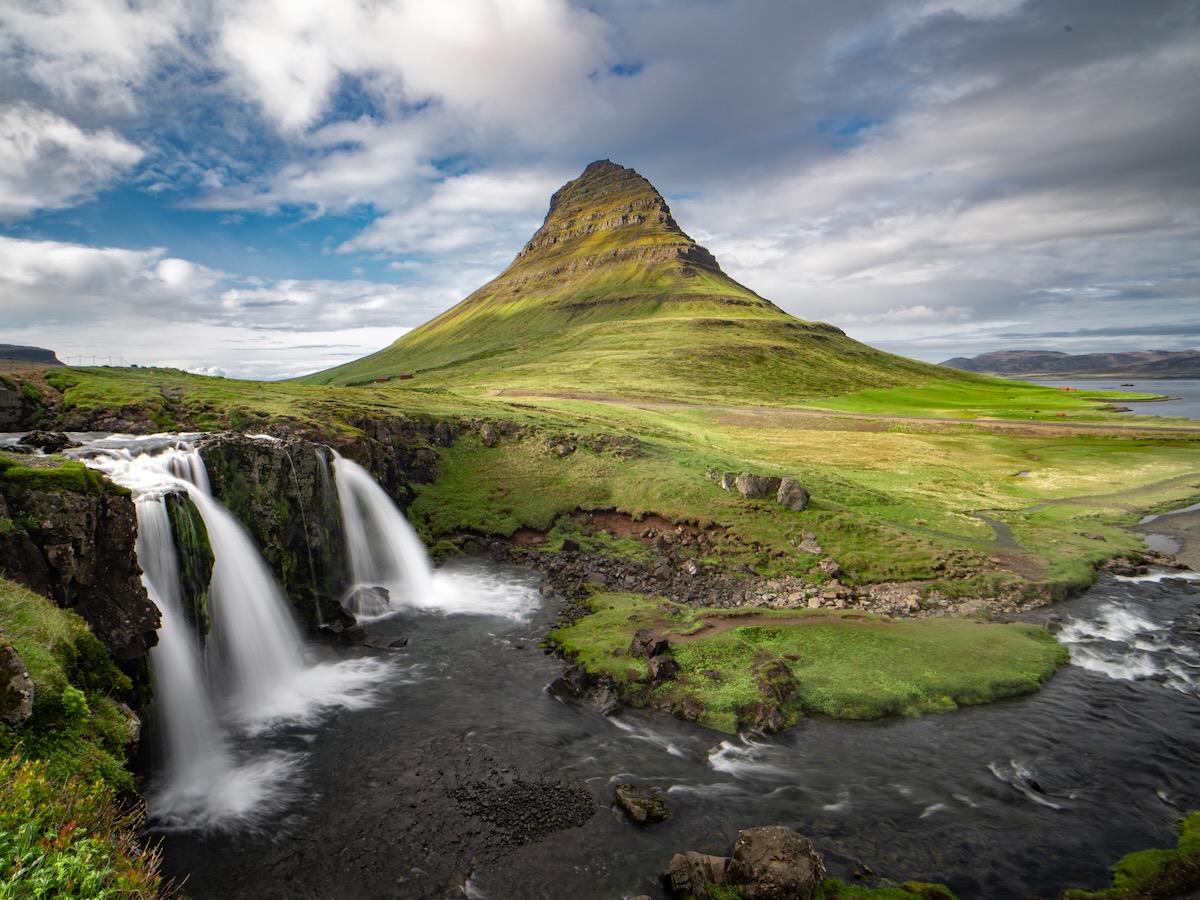
The highlight was Kirkjufellsfoss Waterfall and Mount Kirkjufell, one of the most photographed locations in Iceland. Unfortunately, we encountered a stretch of bad weather during our first visit, and despite spending hours there, I couldn’t capture the shot I wanted. Persistence paid off—we returned the next day in the evening, and I managed to get close to my vision. Ideally, I would have preferred proper golden hour light on the mountain, but the surrounding peaks prevent that kind of illumination at that time of year.
The entire northern peninsula drive was breathtaking. The volcanic landscape displays incredible color variations—black lava fields, yellow sulfur deposits, red oxidized minerals, and green moss—creating an almost alien beauty. We took several back roads to explore more thoroughly, and it was incredibly rewarding.
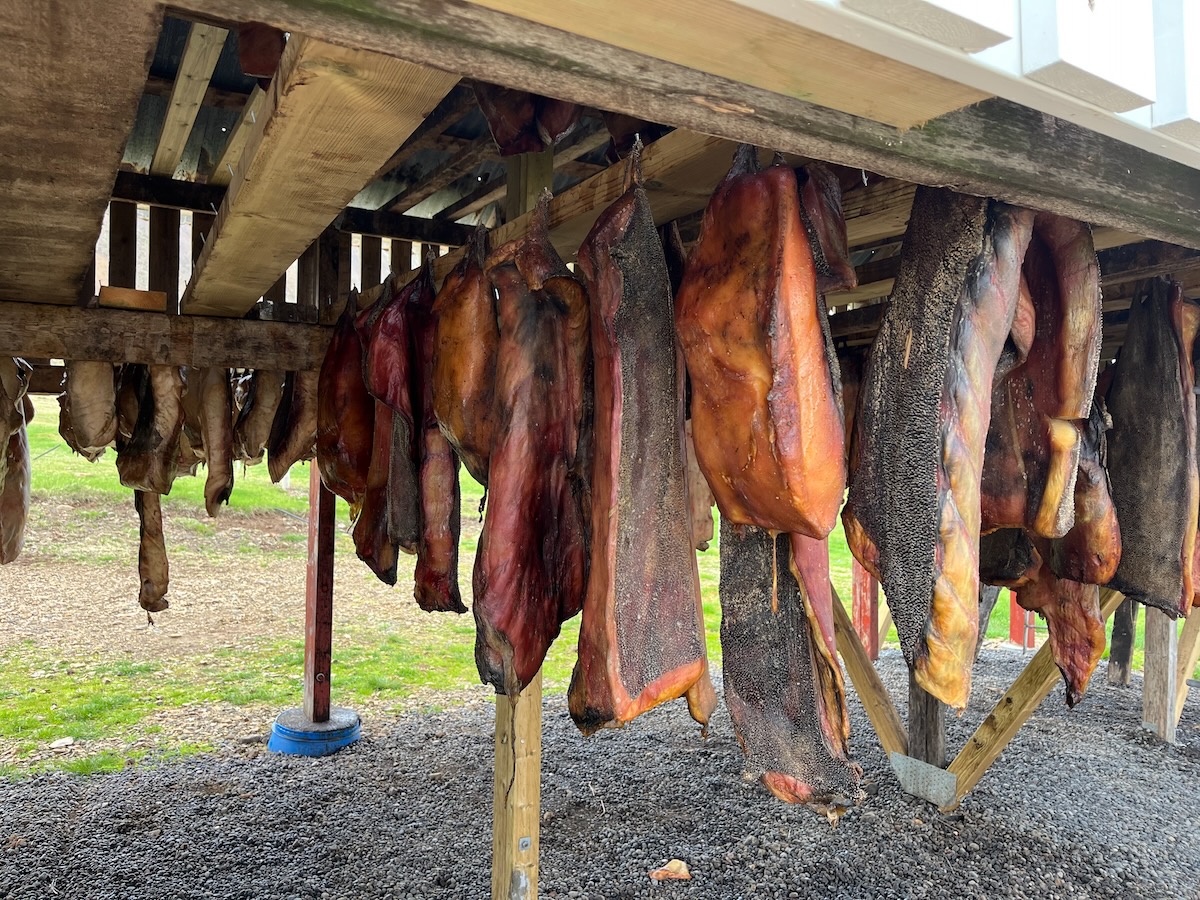
We also visited the Shark Museum in Bjarnarhöfn, where we tried the infamous fermented shark meat (hákarl). It smelled absolutely horrible, but the taste wasn’t nearly as offensive as the smell suggested. It’s definitely a cultural experience worth trying once.
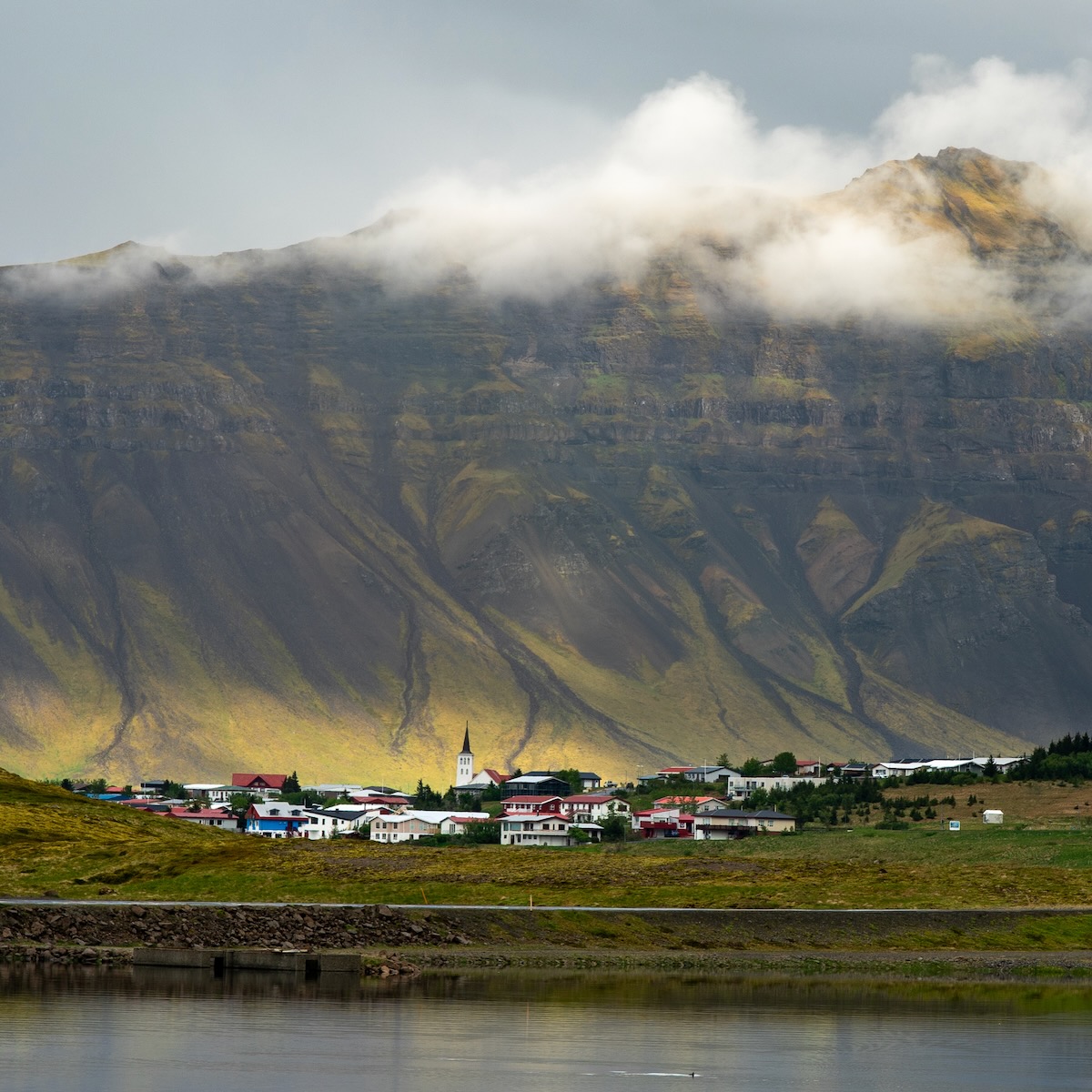
The coastal towns of Grundarfjörður and Ólafsvík are beautifully situated with dramatic mountains as backdrops and numerous waterfalls cascading into the sea. These small communities perfectly capture the essence of Icelandic coastal life.
Flight Back Home
Our morning departure meant staying overnight at the Keflavik Airport Hotel. While expensive for what it offers, the hotel’s location right next to the airport made the early morning flight logistics much easier.
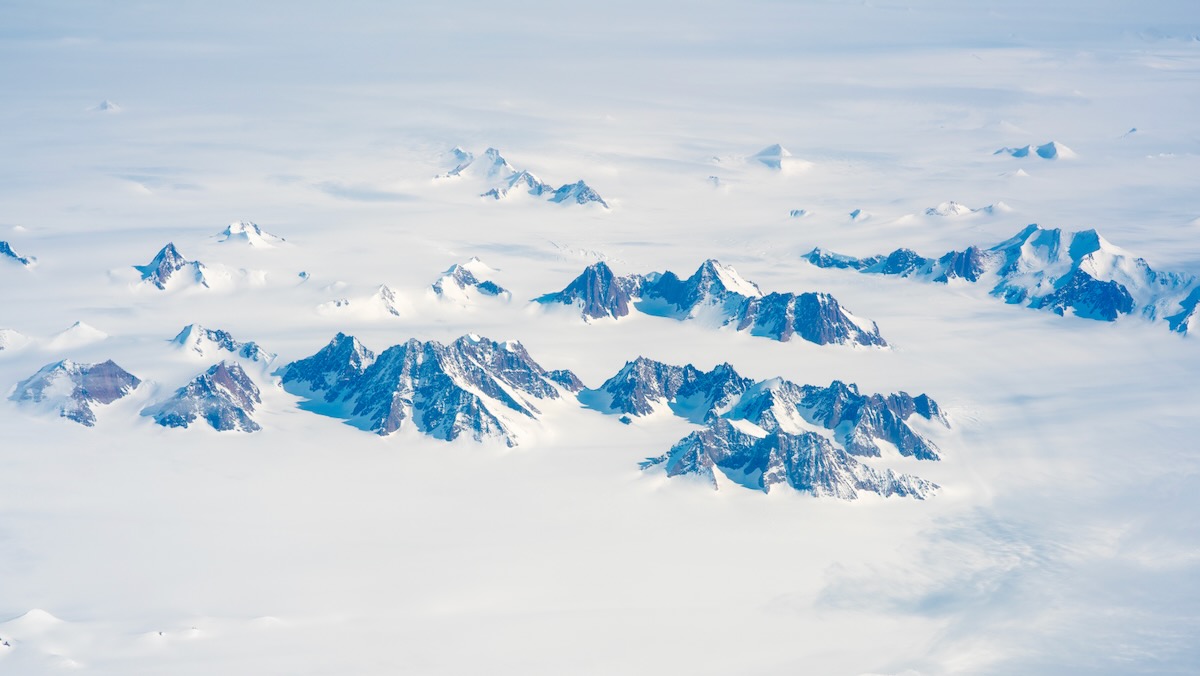
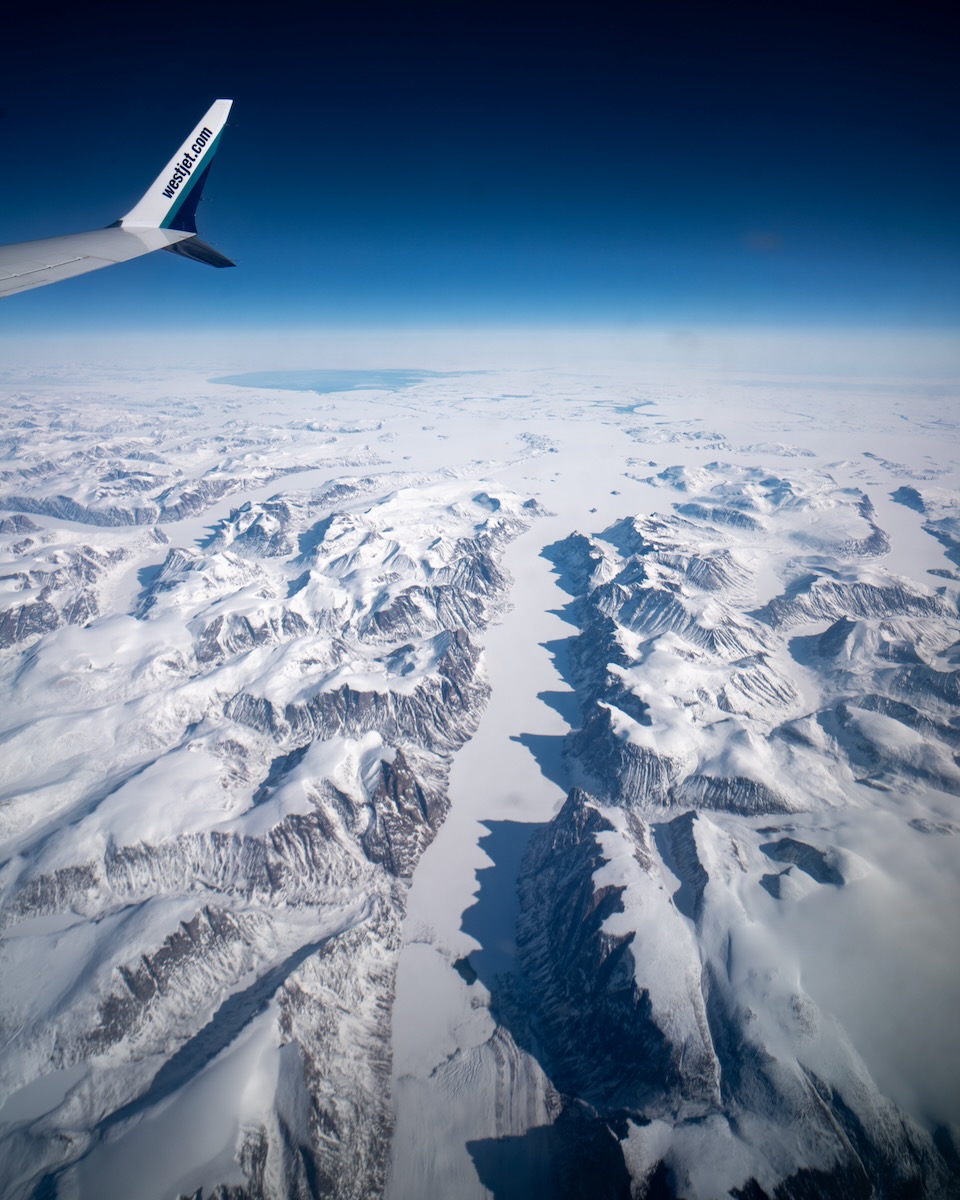
We flew WestJet to Calgary and were blessed with clear skies throughout the journey, offering breathtaking views of Greenland, Canada’s Nunavut region, the Northwest Passage, and Hudson Bay. Greenland from above proved especially captivating—beginning with dramatic mountain ranges and sprawling glaciers, then transitioning to mountains barely keeping their heads above the ice field, before finally revealing an endless expanse of ice with no discernible features whatsoever. I found myself wondering what secrets lie buried beneath those ancient, frozen depths.
Returning home after our extended journey was deeply satisfying. We’d spent nearly four months away, visiting nine countries across the Middle East and Europe, but we couldn’t have been happier to be back in our own space. The memories of this unforgettable adventure will stay with us forever, and Iceland has definitely secured its place as one of the most remarkable destinations we’ve ever experienced.
FAQ
Any photography tips for Iceland?
Essential gear: Bring a sturdy tripod, ND filters, and a circular polarizer. Wind will be your constant enemy, so a heavier tripod may be worth the extra weight.
Lenses: I traveled light with 18mm, 35mm, and 75mm fixed lenses for this extended trip. For a dedicated Iceland photography trip, I’d definitely bring a 16-35mm and 70-300mm zoom lenses for maximum flexibility.
Drone photography can produce stunning results, but be extremely careful with winds and check regulations—many popular locations prohibit drone use, which is actually a good thing for preserving the experience.
Shooting strategy: Don’t wait for perfect golden hour conditions. Iceland’s weather changes rapidly, so shoot whatever light you get. Some of my favorite shots came during overcast or stormy conditions, and I lost some shots because I waited until sunset, and then fog rolled in, for example.
How Expensive Is It?
Iceland is expensive, period. Budget around $400 per day for a couple staying in a campervan, campsite fees, gas, groceries, parking fees, and cooking most meals. Hotel stays, restaurant, gas, groceries, and any activities all cost significantly more than most other countries.
How is it returning home after a long trip?
You’ll definitely miss the comfort of home basics—your own bed, familiar food, and not having to think about where to sleep each night. But you’ll also miss the daily adventure and the incredible landscapes that become your temporary backyard. But for now, we are happy to be back!