Iceland: Chasing Light in the Land of Fire and Ice - Part 1
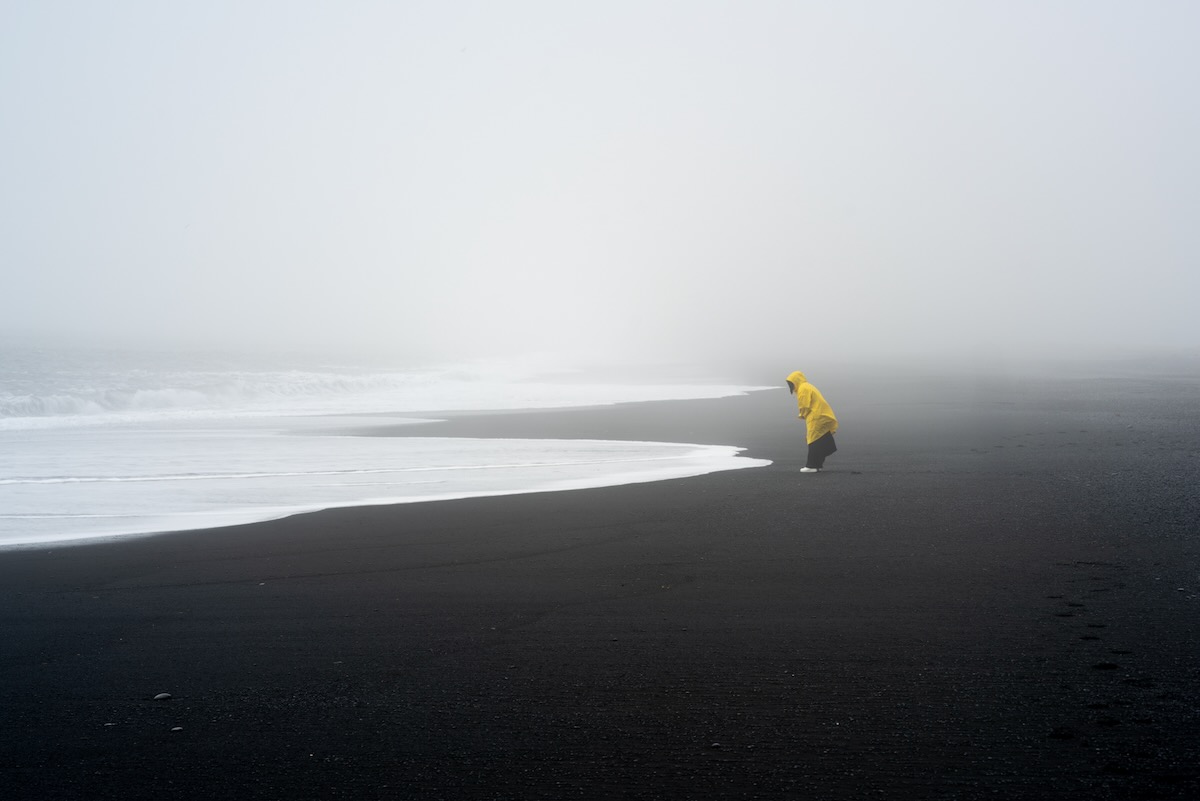
Iceland was at the top of my bucket list for some time, and I was super happy to get to visit it on this trip. It was nothing short of extraordinary—one of the most beautiful places and a must-see destination for photographers. In this post, I discuss the logistics of traveling in Iceland. In the next post, I will discuss our itinerary and my photography in Iceland.
Overview of Iceland
Geography of Iceland
Iceland sits on the Mid-Atlantic Ridge, where the North American and Eurasian tectonic plates meet. This positioning makes it one of the most geologically active places on Earth, earning its nickname “the land of ice and fire.” The island was formed through volcanic activity over millions of years, with ongoing geological processes still shaping its landscape today. We saw that firsthand in the town of Grindavik and surrounding area, where the roads were covered with solidified lava, and the landscape was completely changed.
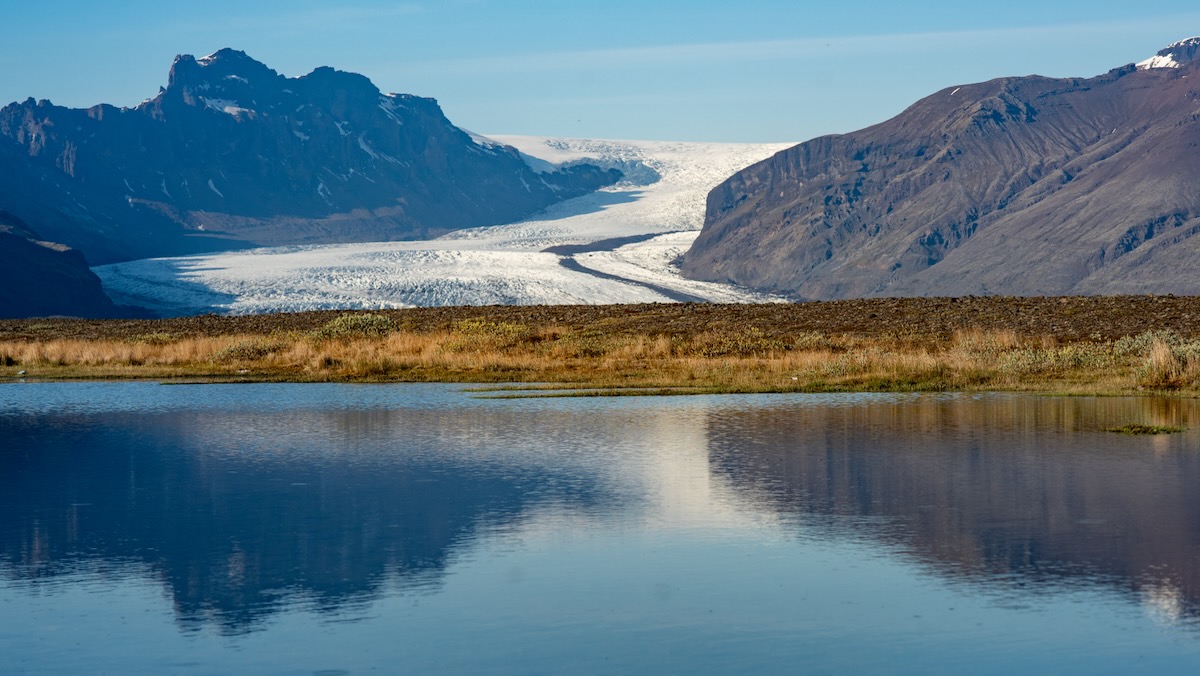
The country’s dramatic contrasts are striking—glaciers cover about 11% of the land, while active volcanoes, geysers, and hot springs dot the terrain. This unique geological activity creates the otherworldly landscapes that make Iceland such a photographer’s paradise, from black sand beaches formed by volcanic activity to massive ice caps that feed countless waterfalls.
History of Iceland
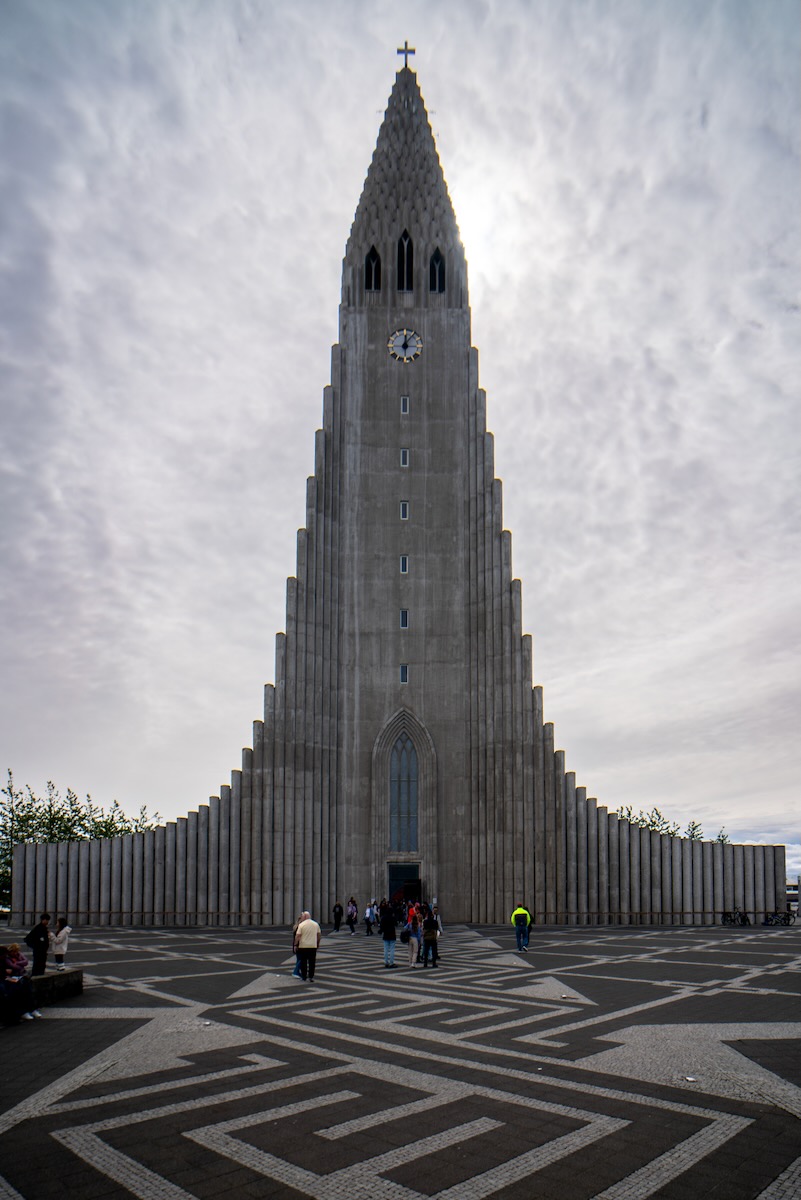
Iceland’s story begins with the Vikings, who first settled the island around 874 AD. Here’s a fascinating detail: we know this precise timing not just from written sources, but because of volcanic ash layers that archaeologists can date with remarkable accuracy. The legendary first permanent settler, Ingólfur Arnarson, chose his settlement location based on where his high-seat pillars (wooden posts thrown overboard as a divination ritual) washed ashore, naming the spot Reykjavík—”Smoke Cove”—likely after the geothermal steam rising from the earth.
The island later fell under Norwegian rule in 1262, followed by Danish control when Norway became part of Denmark. This period lasted until the 20th century, with Iceland gradually gaining autonomy. During World War II, British and later American forces occupied the strategically important island, which helped accelerate its path to full independence in 1944.
Icelandic, the national language, remains remarkably close to Old Norse, allowing modern Icelanders to read medieval sagas in their original form. This linguistic preservation reflects the country’s strong cultural identity and connection to its Viking heritage.
Climate of Iceland
Iceland’s climate is surprisingly mild for its latitude, thanks to the Gulf Stream’s warming influence. However, it’s characterized by cool temperatures, frequent wind, and rapidly changing weather conditions. The saying “if you don’t like the weather, wait five minutes” rings particularly true here.
During our visit in late May, we experienced what locals considered unusually warm weather, with temperatures reaching 60 F on some days. However, we also faced typical Icelandic conditions—cold winds, rain, and fog that could roll in without warning.
Iceland’s northern latitude means extreme variations in daylight throughout the year. During our time there, the sun would set around 11:30 PM and rise again around 3 AM, though it never got truly dark. These extended sunsets lasted about two hours, creating incredible photographic opportunities—if you can stay awake for them.
This midnight sun phenomenon is fantastic for photography in terms of available light, but challenging when traveling with family since golden hour occurs at ungodly hours. Another interesting side effect of being so far north is that the sun rises from the southeast and sets in the southwest, which can mess with your sense of direction.
Logistics of Traveling in Iceland
The best way to explore Iceland is by renting a car and driving the Ring Road and various side routes. While tour buses are available, they lack the flexibility needed to truly experience the country. You’ll miss hidden gems, can’t adjust your schedule for weather, and are limited to the most touristy spots.
A campervan offers significant advantages over renting a car and staying in hotels. Budget-wise, accommodation costs in Iceland are extremely high, often 200-$400 per night for decent hotels. Campervans provide shelter, accommodation, and cooking facilities in one package. The flexibility is invaluable—you can cook instead of eating at expensive restaurants (meals can easily cost 30-$50 per person), and you can change your plans based on weather conditions.
Be prepared for Iceland’s high costs. Gas prices are roughly double what you’d pay in the US, and food prices are generally 30-50% higher. A simple grocery run can be shocking, but even then, cooking in your campervan helps manage expenses.
The best time to visit depends on your priorities. High season (June-August) offers the warmest weather and access to highland roads, but there are crowds and significantly higher prices. Low season (November-March) provides chances to see the Northern Lights but harsh weather and limited daylight. I recommend shoulder season (April-May and September-October) for the best balance of decent weather, fewer crowds, and reasonable prices.
Driving in Iceland
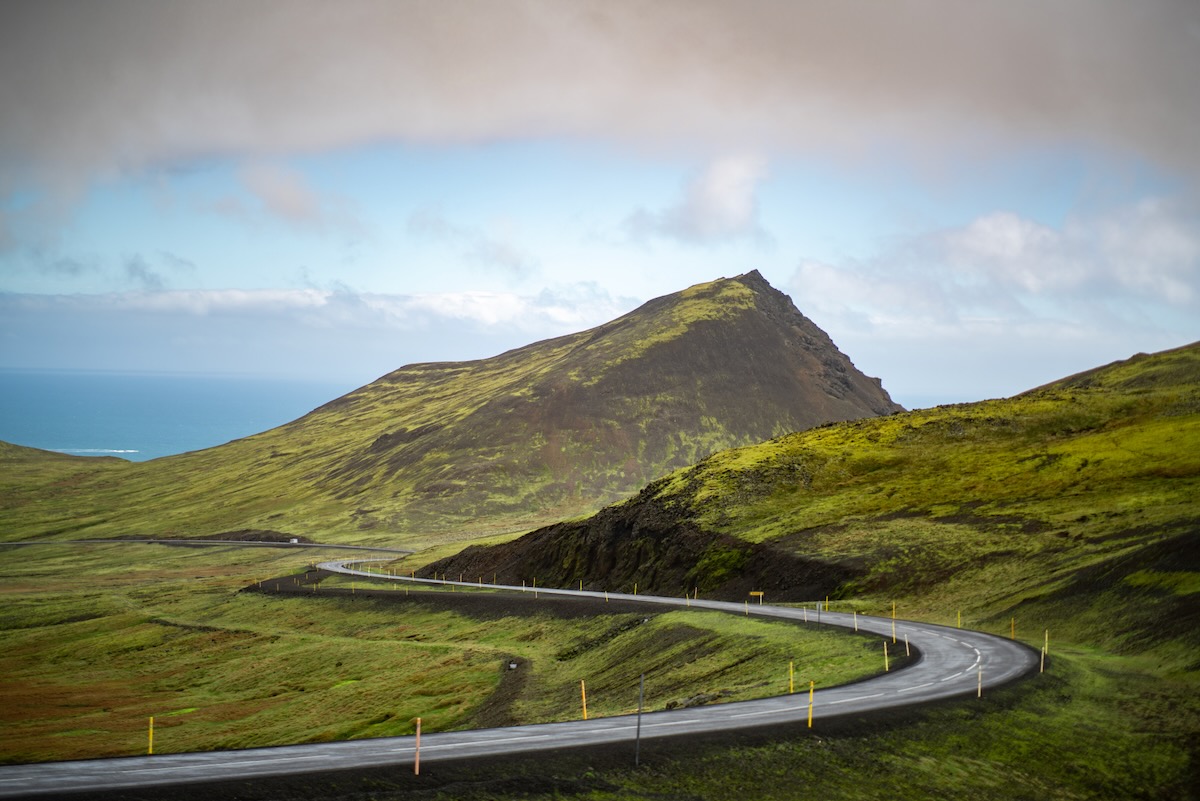
Most roads are in good condition, though you’ll encounter plenty of gravel roads, especially when venturing off the Ring Road. Strong winds are constant—I mean really strong winds that can rock your vehicle and make opening doors challenging. The rental company even warns you that the strong wind can rip the doors off! I personally got a taste of this, when at some point in a strong wind, I couldn’t close the door when getting back in the car!
Most roads are just two lanes, and traffic is generally light outside Reykjavik. Our first drive through a lava field in wind, rain, and fog was incredibly cinematic, reminiscent of the Netflix show Katla (set in a small Icelandic town surrounded by volcanic landscapes).
One major frustration for photographers: there are very few proper pull-off areas, and it’s illegal and dangerous to stop alongside the road. You’ll constantly see amazing shots while driving that you simply can’t capture safely.
Campervan Experience
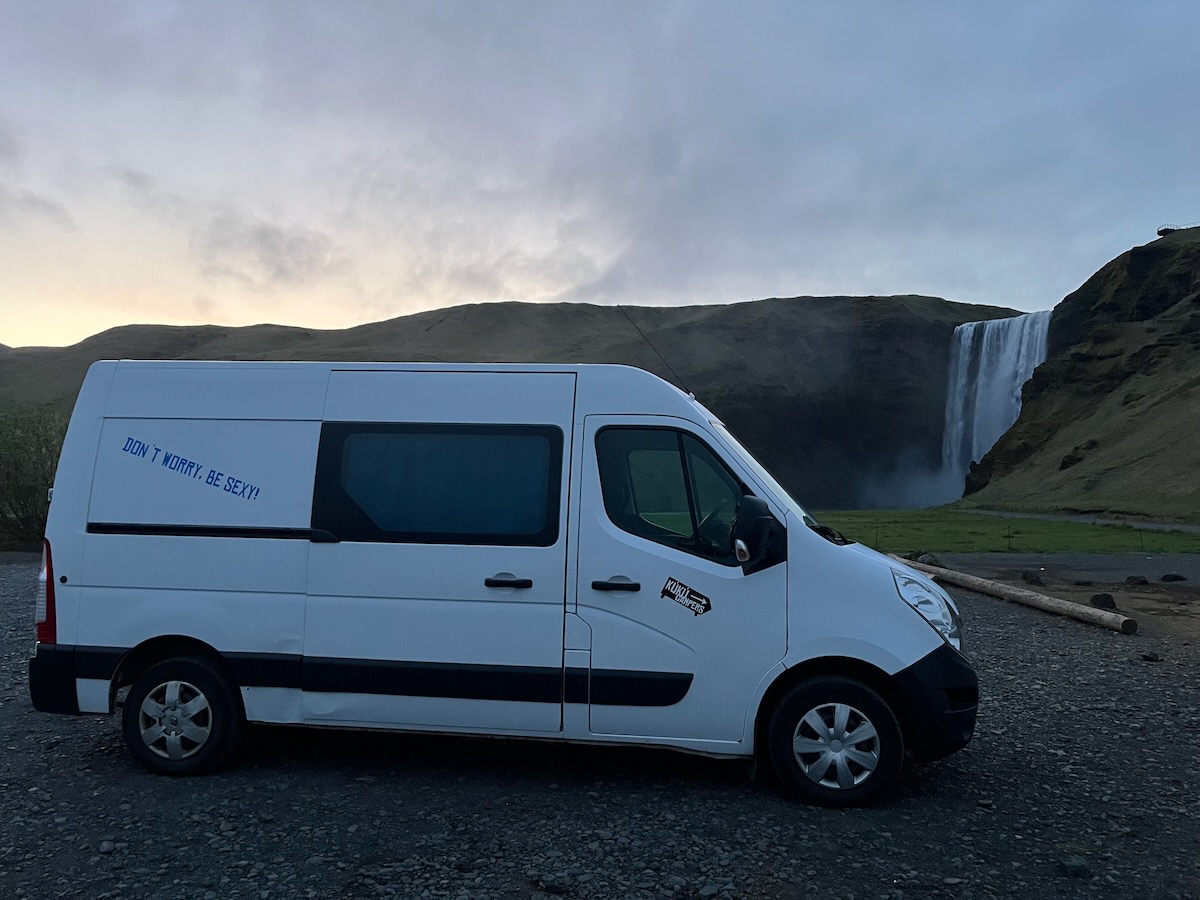
We rented a tall Renault Master campervan from Kuku Campers and were quite happy with the experience. Many rental companies operate in Iceland, so shop around for the best fit.
When choosing a campervan, consider your budget, group size, sleeping arrangements, and whether you need to cook/eat inside during bad weather. I strongly recommend tall campervans—being able to stand up inside makes a huge difference for comfort and avoiding back pain during extended trips.
Layout of Our Campervan
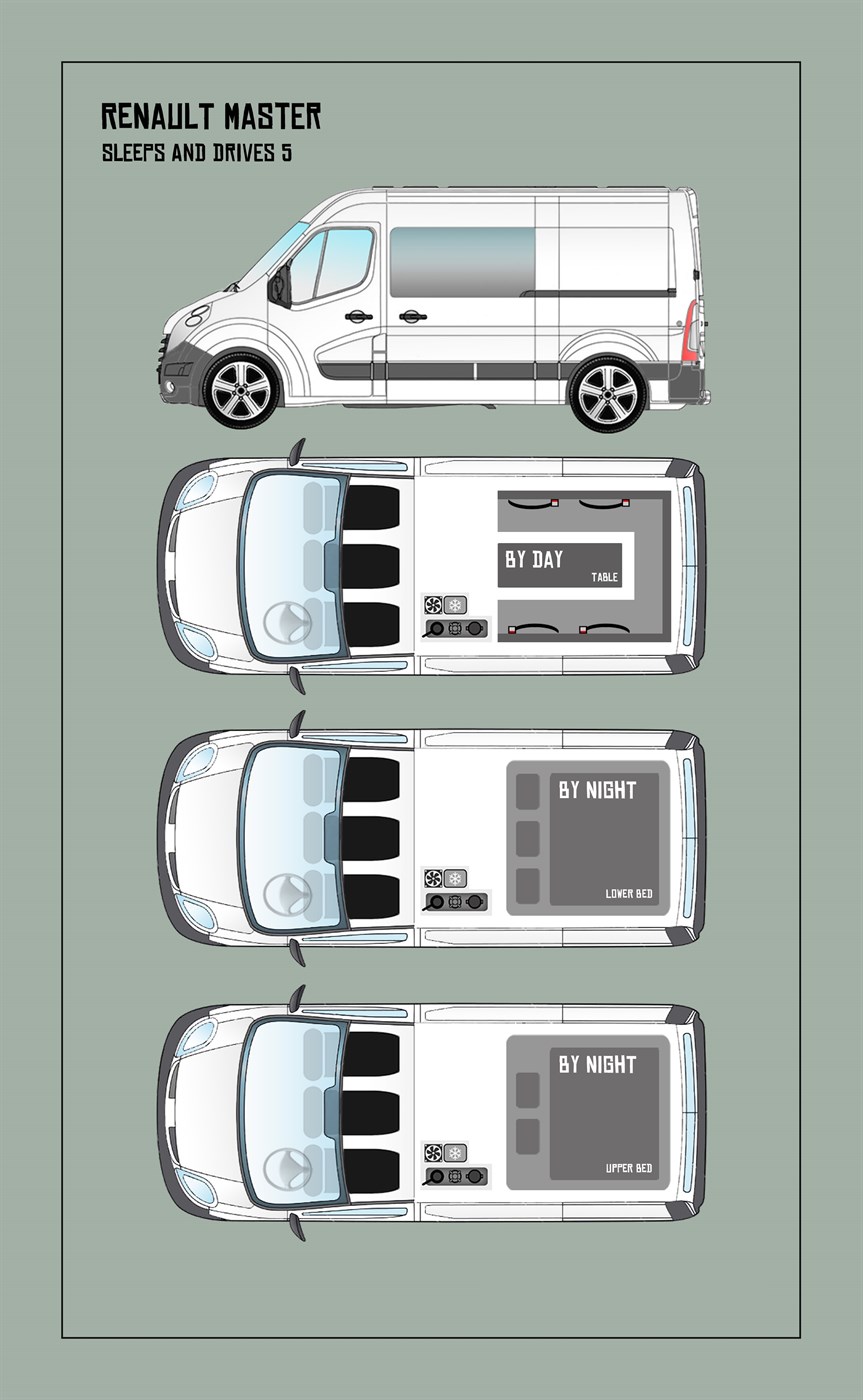
Our setup included three seats in the front (they disabled airbags to legally accommodate a car seat), a cabinet with sink and electric faucet behind the seats, plus the fridge. There was open space for standing and moving around, followed by a seating area with three benches that could easily fit six people around a table.
The seating area converted into a king-size bed by removing the table and fitting rods between the benches with back cushions creating the sleeping surface. A bunkbed above could fit two people, though headspace was very limited. A medium-size boot provided luggage storage.
Pros and Cons of our Campervan
Pros:
- Complete shelter from Iceland’s harsh weather
- Tall enough to stand inside comfortably
- Convertible seating/sleeping area
- King-size lower bed fit all three of us in sleeping bags
- Wide enough to sleep sideways
- Third front seat freed up back space
- Portable stove was more practical than a fixed one
- Adequate storage throughout
- Diesel heater kept us warm
Cons:
- Upper bunk became a head-banging storage nuisance since we didn’t use it for sleeping
- Converting seating to bed was cumbersome with the upper bunk in the way
- Front car seat presented challenges with a young bored kid—I prefer rear installation
- Limited auxiliary battery meant the fridge only ran while driving, so keeping things cold was difficult
Van Life Reality
This was our second van life experience after Australia, but Iceland’s cold, windy conditions made it much more challenging than Australia’s perfect weather. You’re completely at weather’s mercy when living in a campervan.
Using campsite toilets and showers isn’t ideal in any weather, but it’s particularly unpleasant in cold conditions. That said, almost all facilities we used in Iceland were clean and well-maintained. Middle-of-the-night bathroom trips in the cold are definitely not fun.
We slept in proper sleeping bags, but my wife still found it too cold most nights. Surprisingly, our son slept better in the cold campervan than he does in his own bed at home. Despite window shades, light seeped through during the bright nights, affecting our sleep quality. We often tucked our heads inside sleeping bags for extra warmth and darkness.
Cooking on a butane stove limited our meal variety significantly. We ended up preparing the same few dishes repeatedly, which got old quickly.
Campgrounds
Some campgrounds offer truly spectacular settings—our first night at the campground directly in front of Skógafoss waterfall was unforgettable. During late May’s shoulder season, we didn’t need advance reservations, though this might not apply to popular areas during high season.
Payment methods vary—some accept on-site payment, others require online booking. For unstaffed sites, you can camp first and pay when attendants arrive in the morning.
Campgrounds typically charge per adult, averaging $20 per night. Our range was 15-$23 per adult. A camping card provides access to certain sites for 28 nights at around 170 euros, which can be tremendous value for longer trips or if you’re flexible about locations. After research, we decided against it since it would limit our campground choices, and we only stayed at a couple of participating sites in the end.
Facilities range from basic (toilets and showers only) to well-equipped (kitchens, laundry, common areas). All were clean and well-maintained, though some were definitely nicer than others.
⸻
In the second part, I will share our itinerary, and our experiences in Iceland.