UK: London, Yorkshire, and Edinburgh
When we were planning our long-term European trip, we thought to start from the south while it was not too hot, and find our way to the north as summer kicks in. But Switzerland got hot prematurely, and so did Portugal, so we thought we are going to leave for cooler weathers in the UK, but little did we know that we are going to experience another heat wave there! More on that later. For this trip, we had planned to visit three main areas: London, Yorkshire, and Edinburgh. But before going to London, we spent a couple of days in Cambridge.
London area

Cambridge is a historically significant city, especially if you are interested in science. Sir Isaac Newton was of course there, and you can still find (an offshoot of) the apple tree he used to sit under outside the Trinity College. Newton’s office is even still in use by some random professor. Big shoes to fill in, but no pressure, of course. James Clerk Maxwell founded the Cavendish Laboratory there, and it has been the scene of discoveries such as electron, neutron, and even the structure of DNA. Basically everything you’ve read in science books has some leg in University of Cambridge. My wife, who is a physicist, was elated to get a chance to go on a tour of the museum of Cavendish Lab, but since they did not allow babies in there, she went there alone. There are many colleges in Cambridge, but unfortunately most of them are closed to the public, so you have to admire them from outside. Apart from geeking out on all the science stuff, a must-visit place is King’s College Chapel, which is one of the finest examples of gothic churches with high vaults and stunning interior and exterior.


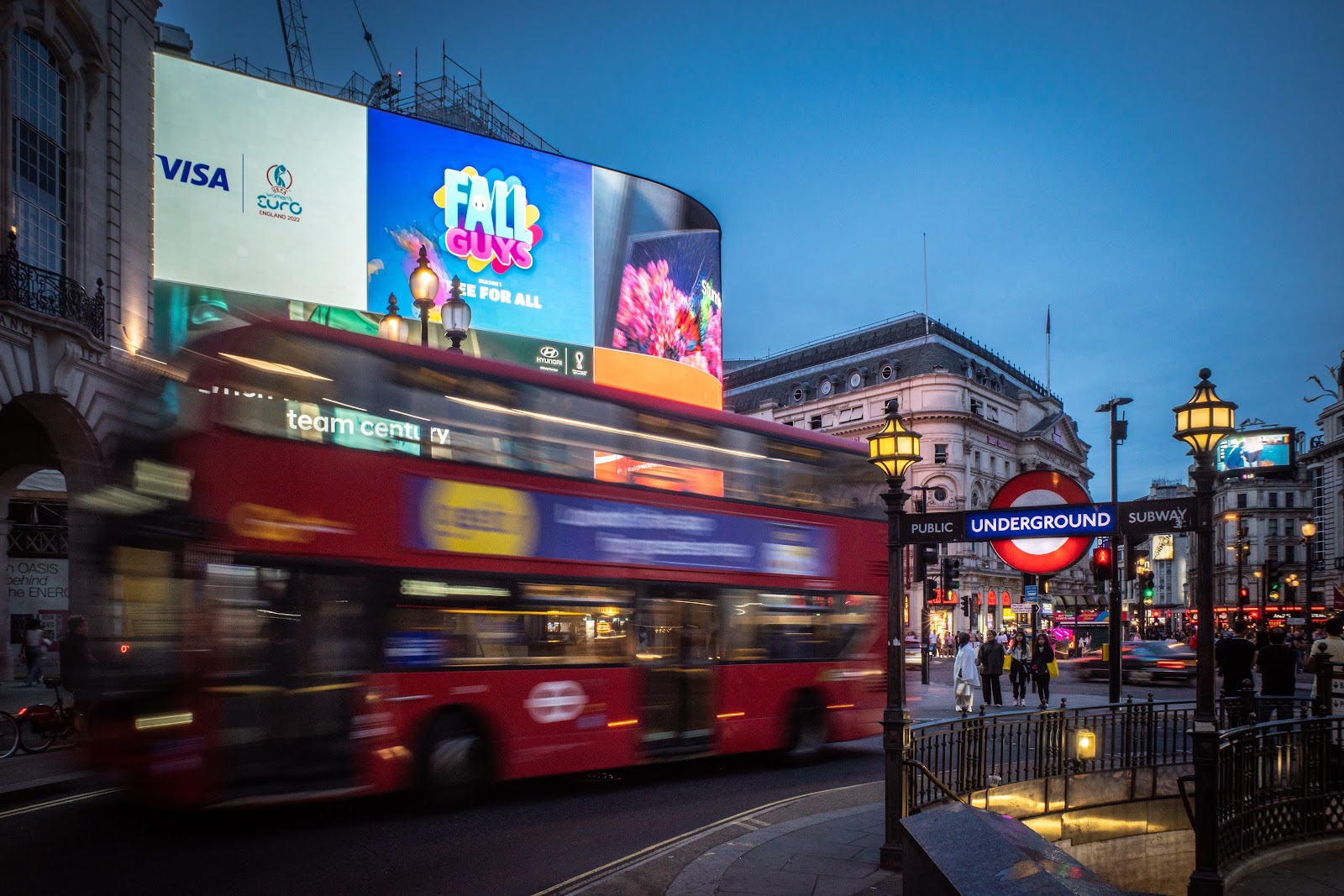
London is of course one of the most famous cities in the world, and a short visit is not sufficient to see all it has to offer. London is also one of the most expensive places to visit, and you certainly feel it when looking for an accommodation. Many attractions in London will cost a pretty penny too, but thankfully not some of its world-class museums which have free entrance (with suggested donations). We visited British Museum, Natural History Museum, and National Maritime Museum in Greenwich (where you can see the Prime Meridian), and we thoroughly enjoyed them. We also met up with an old friend of mine from high school who lives in the area, and we had a blast going down the memory lane. There is so much history in London, and the next time I visit, I will make sure to learn a lot more about it beforehand. But while we were in London, the most historic heat wave happened, and temperatures reached as high as 100 F (40 C), which was unbearable. We took refuge in British Museum one day, but they kicked everyone out in the middle of the afternoon due to excessive heat. Not sure why they did that, but it wasn’t fun. We went back for a visit a couple of days later. Most apartments in UK, and many Northern European countries don’t have AC, so the heat waves are much harder on the population. Even large buildings such as British Museum does not have a cooling system, nor did the buses or subways. Your best bet for getting cool is to visit the frozen section of a grocery store!

Yorkshire
Yorkshire is a historic region on the north-east of England, most famous for its Roman and Scandinavian connections in the past, and its natural beauty. We wanted to visit two places in Yorkshire: The historical and quaint city of York, and the coastal town of Whitby, mostly for the landscape and its ruined abbey. Given we had just a few days in the region and the 2 hour distance between the two, we decided to stay in Scarborough instead, that sits right between the two. Scarborough is sort of an old resort town that clearly had its heyday many decades ago. It is basically a fishing village turned into a resort town when traveling became fashionable, but (I’m guessing) as traveling abroad became more and more economical, it lost its popularity. It sort of reminded me of the Fremont district in Las Vegas, if you’ve ever visited (if you haven’t visited, it’s much more fun that the Strip, IMO). Scarborough can be a good base if your intention is to visit York and Whitby (or Robin Hood’s Bay), but there is not much to do/see over there.
York is the main city in Yorkshire region, and it is full of history and charm. The old town is a fantastic place to walk around, with old cobblestone streets. There is an alley called Shambles that is said to be an inspiration for the Diagon Alley in Harry Potter movies. It is certainly a cute alley, and I can see the connection, but so do many other tourists that flock there for a photo and a visit to its Harry Potter themed shops. Much like how Dubrovnik benefits from Game of Thrones, many places in the UK enjoy a tourist boom due to references to Harry Potter. Apart from that, York Minster is certainly a must-visit for the history-buff. The minster (which I learned is a certain type of church that its purpose is/was to house priests that go out to preach and evangelize) is built on top of a former Roman fortress, with some remnants still standing outside the minster (if you ever visit, you may notice a large single column standing in front of the church) and in the basement. They even have a mini-museum in the basement that is certainly worth a visit.
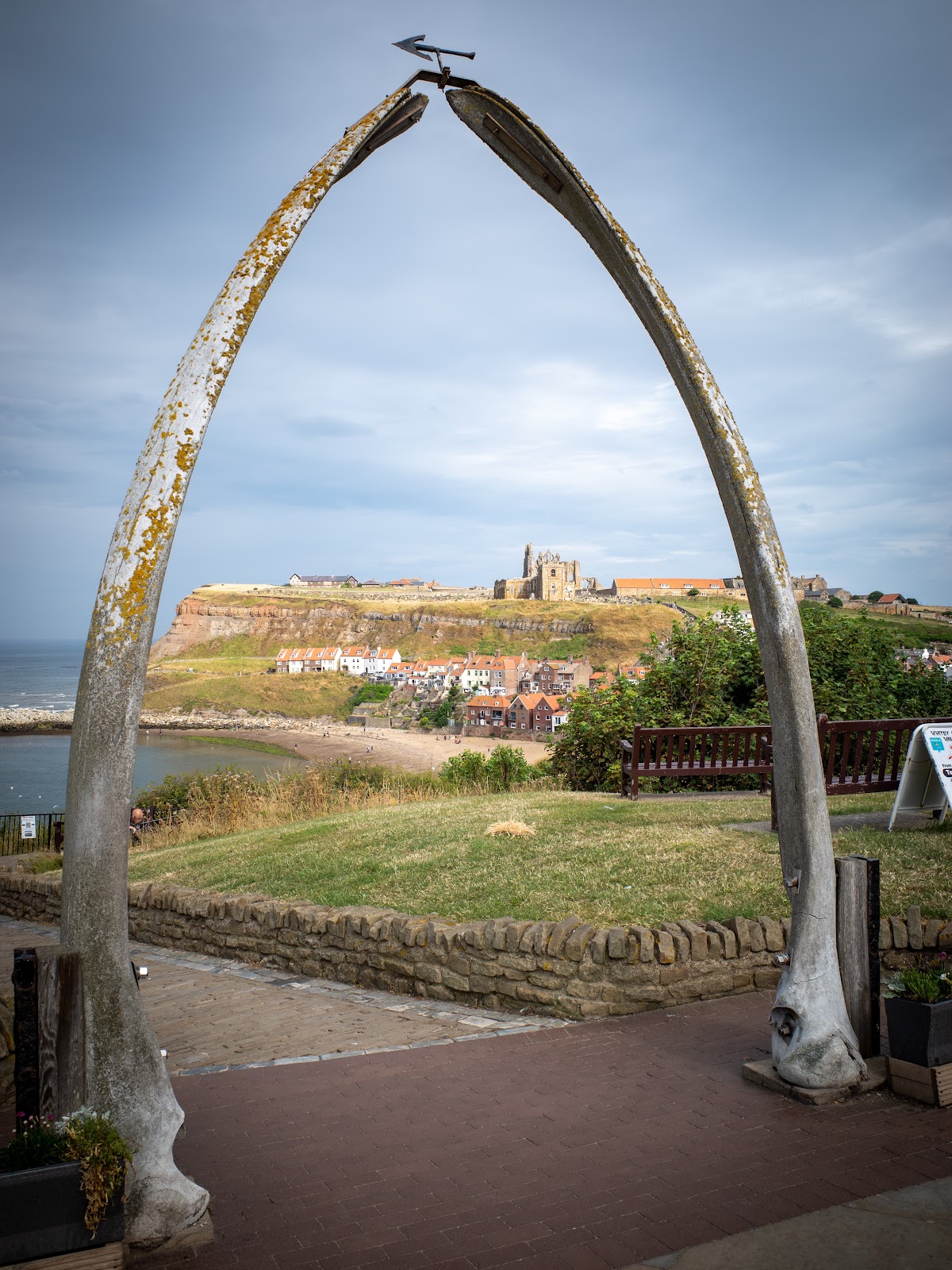
Whitby is a charming fishing village turned into a resort, and it is famous for its ruins of Whitby Abbey. Whitby can be reached from Scarborough via a convenient bus that departs from the train station. Whitby Abbey sits atop a hill that can be reached by either driving there, or taking 199 steps up from the town. We left the stroller at the base of the stairs with a cafe that was nice enough to keep it for us outside, and the owner even covered it with plastic when it started to rain. Anyhow, Whitby Abbey is one of the most beautiful ruins in the UK that is said to be an inspiration for Bram Stoker when he wrote the gothic novel of Dracula. There is even a delightful dynamic play, based on the novel, happening twice a day in the open, by four engaging actors, which was a lot of fun to watch. I don’t know much about the history of UK, but from what I have gathered, many of the abbeys around the country fell into ruins during the reformation period, i.e. when Henry VIII declared himself the head of the church in England. Another example of a ruined church we saw during the trip was the Holyrood Abbey in Edinburgh, which was sadly closed to public due to some safety risks. The landscape around the coast of Yorkshire is another reason to visit. The gray skies, lush green pastures, rolling hills, and rocky cliffs make for fantastic strolls - but not so many good photos (gray skies being the reason)!

Scotland
Edinburgh needs no introduction, of course, as it is one of the most beautiful cities in the UK. The temperature in Edinburgh was far more appropriate, and we even had to wear jackets some days. We loved walking around in the old town, especially around the Royal Mile. We also visited the Holyrood Palace, which is the royal residence when the Queen visits Scotland. There was a lot of history there as well, especially its connection with Mary, the Queen of Scots. If you don’t know about her, very briefly, she was the daughter of James V, King of Scotland, who became the queen when she was six days old, but she had a tragic life ahead of her. She reigned at the time of reformation - when Scotland vehemently rejected Catholicism, and turned Protestant - while she was an adamant Catholic. Needless to say, this did not bode her well, and she had to flee to take refuge in England at her cousin’s, Elizabeth I. But Queen Elizabeth I actually imprisoned her because of the suspicion that Mary could have a claim to the English throne. She was tossed around different castles for 19 years, until she was sentenced to death by her due to allegation of plotting to kill Elizabeth, and was hence beheaded. She is the emblem of a Scottish monarch, and her tragic life reverberates through history. We also visited Stirling, and its famous castle, which also has some historical ties to Mary, the Queen of Scots, and William Wallace, which you all know from the movie Braveheart. During the trip, I took advantage of being in Scotland, and visiting all these historical places to educate myself about the history of Scotland, and I immensely enjoyed it.

This was not my first visit to the UK, but was certainly a great one. We had a blast visiting all these places, and enjoyed the history, landscape, architecture, and little things such as variety of accents, how cheerful people are, and quirks of British life. Speaking of, one peculiar thing we saw in England was how much they love displaying their flag, and calling out that something as “100% British”. Like on the milk carton, or cheese, or the produce packages, you often see a Union Jack flag, with the slogan of being 100% British! I wonder if that has anything to do with Brexit. Nationalistic propaganda is often used to rally people around the flag, but long-term, it results in conflicts with “others” or outside. Case in point, you don’t see any of that 100% British stamps in Scotland, and Scotland is part of the UK. In our six-day stay in Scotland, I probably saw Union Jack just a handful of times, whereas you are hard pressed not to find the Union Jack in the UK anywhere you turn your head. Anyhow, the politics of the Island is far more complicated than what I know, or can talk about here, but the emphasis on British-ness and the flag was interesting.
Public transportation across UK and within all cities was exemplary. London is a massive city, and yet, you can travel around both by tube (subway) and buses effortlessly. When in London, make sure to try buses, as you can see London during the commute. The double-decker buses are especially fun, as you can get a tour of the city while getting from point A to B. I especially liked the “contactless” system in place in London and Edinburgh where you use your contactless credit card, or Apple Pay, to pay for fares. The system basically replaces the Oyster card, and it provides the same pricing model with less upfront cost and hassle. On the other hand, what I found odd about train travel in the UK was getting radically different prices from different websites when buying tickets online. The same trip would cost as much as 100% more on one website that the other, and I don’t know what prices you would get if you buy directly from the ticket office in a train station. This is rather confusing and frustrating as a tourist. Maybe locals know better where/how to buy tickets online. The other odd thing was that a return ticket costs almost as much as a one-way ticket for local visits such as going to York, Whitby, and Stirling. Again, I’m not sure how to but those tickets online, so the safe bet is to get them from the train station.
Pro tip about navigation in London: Use TfL Go app to navigate the bus and subway rides, instead of Google Maps. It is not only more up-to-date with all the re-routings that happen, but also allows you to search for step-free routes, in case you have luggages or a stroller, as not all tube station are accessible.
Our next destination is going to be Scandinavia, where we are going to mostly visit Norway, and find our way to Copenhagen through a short stay in Gothenburg, Sweden. Stay tuned for that! Per usual, here is a link to my instagram account:
https://www.instagram.com/photopensieve/
Follow me to see the latest photos of the trip. I’ll end the post with an FAQ.
FAQ
British Museum is basically like a collection of souvenirs from colonial times, isn’t it?
Well, it’s certainly true that many of the artifacts in museums around the world, including British Museum are either outright stolen, or dubiously collected in the last few hundred years. In 21st century, the legality and ethics of such museums should be openly discussed. But looking at British Museum just as a collection of colonial souvenirs is neglecting the pioneering works of archeology, anthropology, and history that has gone into procuring, identifying, preserving and displaying such objects. Thanks to these efforts, we now understand the history of humankind far better. In a way, it’s because of these groundbreaking discoveries and painstakingly deciphering and remodeling these objects that the same objects now have a tremendous value for their countries of origin.
How is the trip with the baby?
Well, like a normal life with a baby, we have good days and bad days. The period of time around teething is especially trying, but they pass. Honestly at this point, I can’t say that traveling with a baby is much different from staying home. The only big advantage of staying home is having help from family, and nanny/daycare. Due to that help, you get to spend a good portion of the day away at work, unlike travel that you are together 24/7 - which is great, but can be tiresome at times. On the other hand, the advantage of traveling is that our son gets to experience new things everyday, keeping him busy and happy. When visiting most places, our son finds a way to enjoy himself often without much help. We of course avoid activities that he won’t enjoy at all, or it would be hard for him, so as long as he can explore and play around, he is happy! His favorite game is running after pigeons, and we let him indulge in it as much as he likes. He also loves to run around in the stores, and to our dismay, re-arrange the goods.
What are you reading these days?
After finishing the fantastic “Italians Before Italy” audiobook, I picked up another audiobook about the Roman republic called “The Storm Before the Storm”, which is about the period of Roman history before the beginning of the end of Republic, aka Caesar era. The premise of the book is that what happened during this period was actually a precursor to the end of the republic. History as they say does repeat itself, but no one knows when. We are at a historical crossroad in the US, and it does bear some similarity to this period in Roman republic, so it’s worth a read/listen. Now, I’m listening to “The Time Traveller’s Guide to Medieval England”, which basically talks about how life was in 14th century in England. Most history books recount the political or military events of the period, but this book answers the hypothetical question of what would you experience, if you were to timetravel to 14th century England. So instead, it discusses how life was during that period, and what you would likely encounter. It’s a refreshing way of learning about history, and quite relevant to the trip we finished in the UK - just a 700 years later!